Health insurance

Best Health Insurance Plans with No Room Rent Restrictions
BimaStreet Blogs, Health insurance

Best Health Insurance Plans with No Room Rent Restrictions

When buying health insurance, many people tend to get confused with the sum insured and the premium but miss out on an important detail of the policy, which is the room rent limit The room rent is the amount charged by the hospital for the room that a patient is admitted to during the course of treatment Some health insurance policies might have a cap on the daily room rent or a category of rooms that the policy covers While some might cover the room rent without any restrictions up to the sum insured (subject to the policy terms) A Health Insurance No Room Rent Limit can give the insured more flexibility in choosing a hospital room But having no room rent limit does not automatically mean that all expenses during hospitalisation are covered. Here is all you need to know about the room rent limit: What Is a Room Rent Limit in Health Insurance? Understanding the Sub-Limit A room rent limit can be a restriction on the amount of room rent or a category of rooms that are eligible for coverage under a health insurance policy For example, a policy might have: A fixed daily room rent limit. A percentage of the sum insured. A particular room category, such as a single private room As per Rules, a sub-limit is a specific limit for various contingencies, treatments, services, or conditions.  In other words, the exact impact depends on the description in the policy document What Does No Room Rent Limit Mean? Greater Choice During Hospitalisation As the name suggests, a policy with no room rent limit does not have a cap on the daily room rent During hospitalisation, the insured can choose a hospital room as per their liking, subject to the policy’s applicable room category and other terms and conditions of the policy But it does not mean that all expenses during hospitalisation would be covered. Depending on the policy, the claim would still be subject to sum insured, exclusions, deductibles, co-pay, etc Why Does the Room Rent Limit Matter? Let’s say a policy has an explicit limit on the room rent, but the insured chooses a room category that costs more than the specified limit. Depending on the wording of the policy, this could result in the insured having to bear the difference and a proportionate reduction in some of the associated hospitalisation expenses Some policy wordings explicitly mention a proportionate reduction if the room rent exceeds the specified limit. This is why it is essential to read the policy document before buying a health insurance policy What Are the Benefits of No Room Rent Restrictions? More Flexibility in Choosing a Room A policy with no room rent restriction can offer advantages such as: Greater choice of eligible hospital rooms. Reduced concern about exceeding a daily room-rent limit. Potentially simpler claim calculations relating to room rent. More flexibility during hospitalisation The actual benefit depends on the individual policy wording Does No Room Rent Limit Mean Unlimited Hospitalisation Coverage? No, Other Limits Can Still Apply just because a policy has no room rent limit does not mean that all hospitalisation-related expenses are covered. The coverage during hospitalisation is subject to various other factors.  Some of these are: Sum insured limits. Deductibles. Co-payment. Disease-specific sub-limits. Exclusions. Waiting periods. Treatment restrictions. Non-medical expenses As mentioned above, sub-limits may apply to specific contingencies, treatments, services, or conditions.  Therefore, Health Insurance No Room Rent Limit should be evaluated as one aspect of the policy How to Compare Health Insurance Plans With No Room Rent Limit Look Beyond This One Feature While looking at the room rent limit is essential when comparing health insurance policies, there are several other important factors to consider: Sum insured. Room eligibility. Room rent restrictions. ICU coverage. Waiting periods. Pre-existing disease coverage. Co-payment. Deductibles. Network hospitals. Claim process. Exclusions. A health insurance policy with no room rent limit can be beneficial, but the policy as a whole should meet one’s requirements. Is a No Room Rent Limit Policy Worth Choosing? Consider Your Healthcare Requirements A health insurance policy without a room rent limit can be worth it if one wants greater choice during hospitalisation Moreover, such a policy can be ideal for those who do not want to be restricted to a particular category of rooms during hospitalisation. But the choice of a policy should depend on more than just the absence of a room rent limit That would mean ignoring the premium and other terms and conditions of the policy. After all, a higher premium should not be justified just because one does not have to worry about the room rent limit What Should You Check in the Policy Document? Read the Exact Wording Before buying a health insurance policy, one should look for the following in the document: Eligible room category. Room rent limit. ICU limit. Proportionate deductions. Co-payment. Deductibles. Exclusions. Other sub-limits One should not rely only on the no room rent limit that the insurers advertise. Instead, they should check the exact wording in the policy document to see what is covered and what is not. Frequently Asked Questions What is a no room rent limit health insurance policy? It is a type of health insurance that does not have a restriction on the amount of room rent or a category of room that is eligible for coverage Is no room rent limit better? This feature can be beneficial but it is not the only factor to consider when comparing health insurance policies.  There are many other benefits, exclusions, deductibles, co-payment, etc. that one should consider Can I choose any hospital room if there is no room rent limit? Not necessarily; the policy might still prescribe a category of rooms that are eligible for coverage. So it is essential to check the wording of the document Does no room rent limit mean the entire hospital bill will be covered? No, the claim would still be subject to the sum insured, exclusions, deductibles, co-payment,
Health Insurance Premium Calculator How Much Should You Pay
BimaStreet Blogs, Health insurance

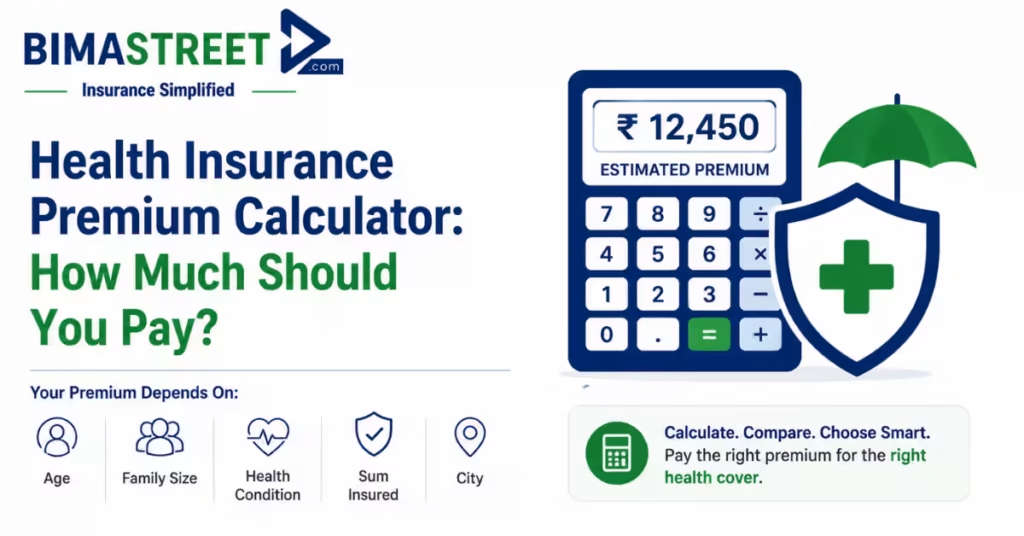
Health Insurance Premium Calculator: How Much Should You Pay?

Health insurance is an integral part of any financial planning process. But how much should you pay for health insurance then? Unfortunately there isn’t an exact amount for everyone. The amount you are supposed to pay for your health insurance policy depends on various factors like age, location, coverage amount, medical history, members in the family, and features, etc A Health Insurance Premium Calculator can help to calculate the amount of Premium that might be levied on any given time however this premium calculation depends on underwriting and policies offered by the insurer. What Is a Health Insurance Premium Calculator? Understanding How It Works The health insurance calculator is a feature provided by many online insurance companies where you can use certain details like: Age Gender Location Number of family members Desired sum insured Existing medical conditions Policy type and receive an estimate of your premium depending on these factors and the company’s premium plan. This calculator, however, only provides a premium estimate, your final premium will be decided by your insurers. What Factors Affect Your Health Insurance Premium? Age of the Insured Age plays a significant role when it comes to health insurance because as we get older certain health issues arise increasing chances of hospitalisation making it essential for every adult to take a suitable health insurance plan to cover future health expenditures This makes acquiring a health insurance plan at an earlier age cost-effective as compared to people purchasing at a later age (subject to insurance company’s premium). Coverage Amount The coverage amount (sum insured) you choose can influence your premium rates. Higher coverage means higher health insurance premium since the insurance company covers more of your health needs. For example: ₹10 lakhs will cost higher than ₹5 lakhs (this varies from insurer to insurer). It is essential to choose the required sum insured depending on your health needs as well as the sum insured offered by different insurers. Number of People Covered For family health insurance, the number and age of members covered can influence the premium A family floater policy generally provides a shared sum insured for covered family members, while individual policies provide separate coverage for each insured person. Compare both options based on your family’s requirements Medical History Your current health may affect the health insurance you are eligible to take since you might have to spend time in the hospital, pay a percentage of health bills, co-payment waiting period to get your claims approved, and other issues Make sure you disclose your health details when purchasing health insurance online or via insurance agent, since hiding something can cause claim rejections in the long run Location Depending on the city you stay in health insurance rates can be different across locations How Much Health Insurance Should You Buy? Don’t Choose Coverage Only Based on Premium The cheapest health insurance plan doesn’t necessarily offer great benefits so make health insurance decisions depending on your: Your age Family size Healthcare costs in your location Existing medical conditions Current savings Expected healthcare needs Your annual budget A young man or a family with children can have different health insurance needs than a family with senior citizen members. Why Comparing Premiums Is Important Look Beyond the Price Some health insurance plans offer benefits that other plans do not. While most people compare the sum insured; check features like Sum insured Hospitalisation coverage Waiting periods Pre-existing disease coverage Room-rent limits Co-payment Exclusions Network hospitals Claim process Renewal conditions A higher premium amount plan can be great for you and your family and offer better benefits and coverage than a cheaper plan.  Compare two or more health insurance plans and their benefits to see which provides more value How to Use a Health Insurance Premium Calculator Follow These Steps Using a calculator is generally straightforward: Enter your age and location. Select individual or family coverage. Enter the number of people to be insured. Select the desired sum insured. Provide other required information. Review the estimated premium. Compare suitable plans and policy features. Always review the final policy documents before purchasing How to Keep Your Health Insurance Premium Manageable Balance Cost and Protection You don’t have to go for the cheapest plan, compare different health insurance plans and make a choice regarding the amount that fits within your budget. You can: Comparing multiple policies. Choosing a suitable sum insured. Reviewing unnecessary add-ons. Maintaining continuous coverage. Considering a super top-up where appropriate. Reviewing your policy periodically Decide for yourself keeping in mind the above points and what suits your financial planning and health care requirements better. Premiums are dependent on age, sum insured, gender, location, and other things Frequently Asked Questions Is a health insurance premium calculator accurate? The health insurance premium is just an approximate value, the final health insurance premium will be calculated depending on the insurer, policies and other available documents and information Does a higher sum insured always mean a much higher premium? Higher sum insured means higher coverage which would result in higher monthly premiums. Higher coverage premium also depends on age, gender, policy and other applicable factors Should I choose health insurance based only on premium? No: Coverage, waiting periods, network of hospitals, co-payments, premium conditions for renewal, claims, exclusions, and other applicable rules and conditions must be taken into consideration and compared between two or more insurance policies. Can my health insurance premium change during renewal? Your health insurance premium can change at the time of renewal, based on several factors like Age of the insured, insurance company, product changes, legal and government rules and more. Check any conditions on your policy for details about insurance premium renewal Conclusion Health Insurance Premium Calculator can help you decide the amount you need to spend on your health insurance however it should not be the sole deciding factor when buying or renewing your health insurance. Consider age, sum insured, coverage, family needs, medical history, health conditions, and other relevant factors. Compare different insurance policies and

Best Health Insurance Plans Covering Pre-Existing Diseases - Health Insurance for Pre Existing Diseases
BimaStreet Blogs, Health insurance

Best Health Insurance Plans Covering Pre-Existing Diseases

Buying health insurance may be more challenging when you already have a pre-existing medical condition. But many insurers do provide health insurance for pre existing diseases, subject to certain terms and conditions It is important to carefully understand how health insurance for pre existing diseases works, as you may not be able to get sufficient coverage to meet all your requirements Instead of simply comparing the premiums, policy buyers should assess the waiting period, coverage, sum insured, exclusions, network hospitals and other factors to select the right health insurance company to buy a policy from. The following guide discusses important considerations that come into play when somebody is thinking of buying a health insurance plan for pre-existing disease What Is a Pre-Existing Disease? Understanding the Term A pre-existing disease usually refers to any medical condition that the applicant already suffers from and was present before the issuance of health insurance Examples may include certain conditions such as: Diabetes. Hypertension. Asthma. Thyroid disorders. Certain heart conditions However, policy wordings may vary based on the insurer and the policy issued therefore, each case must be considered based on the policy terms Can You Get Health Insurance With a Pre-Existing Disease? Yes, But Conditions May Apply Having a pre-existing disease does not guarantee that the buyer will not get health insurance Based on the applicant’s profile, the policy buyer must carefully evaluate if the conditions stated by the insurer are acceptable to them A policy with pre-existing disease coverage may sometimes have a waiting period. Some of the factors to consider when buying health insurance for pre existing diseases include A waiting period for the pre-existing condition. Medical underwriting. Specific exclusions. Additional premium in some cases. Coverage subject to certain conditions The underwriting criteria will depend on the individual’s profile and the insurer’s policy What Is a Waiting Period? One of the Most Important Factors A waiting period is the duration for which any illness or treatment that falls under a specific category will not be covered by a health insurance policy. Health insurance policies may have a waiting period for pre-existing diseases depending on the issuing company’s criteria. Before buying health insurance for pre existing diseases, the applicant should know: Length of the waiting period. Conditions covered by the waiting period. Treatments included or excluded. Whether the waiting period can be reduced under any available option. Not all health insurance policies terms and conditions are the same Therefore, a buyer must assess an insurer’s policy wording concerning the terms of coverage for any pre-existing disease. What Should You Look for in a Health Insurance Plan? Compare More than the Premium When comparing health insurance plans, consider: Sum insured. Pre-existing disease waiting period. Hospitalisation coverage. Network hospitals. Room-rent limits. Co-payment requirements. Exclusions. Claim process. Renewal conditions A policy with a slightly higher premium may offer features that are more suitable for your healthcare needs Why Full Disclosure Is Important Be Honest About Your Medical History One of the best ways to ensure a healthy claims process is to give accurate information about one’s personal and family medical history When purchasing health insurance, an applicant must honestly disclose all the details an insurer asks for during the application process Not all applications are approved instantly Sometimes, an applicant must provide additional information before approval Do not hide or incorrectly report: Existing diseases. Previous treatments. Current medication. Previous hospitalisation. Relevant medical history requested by the insurer Providing false information about one’s medical history can affect future claims How to Compare Health Insurance Plans Make an Informed Choice To help identify the better plan, an applicant should compare the policies based on Coverage amount Waiting period. Premium. Exclusions. Hospital network. Co-payment. Claim service. Policy terms. The cheapest insurance coverage option available may not always be the best choice. Each person’s health insurance needs are unique and must be based on their personal circumstances. Can Coverage Increase Later? Review Your Health Insurance Regularly Your healthcare requirements may change over time. As your income, family size, and medical needs change, you may need to review your coverage. Depending on the insurer and policy terms, you may have options such as: Increasing the sum insured at renewal. Adding suitable coverage. Purchasing an additional policy. Considering a super top-up policy. Any increase in coverage remains subject to the insurer’s terms and underwriting requirements Common Mistakes to Avoid Don’t Choose a Policy in a Hurry An applicant should avoid making the following common errors when purchasing health insurance for pre existing diseases Choosing a plan only because it has a low premium. Ignoring the waiting period. Hiding medical conditions. Not checking exclusions. Ignoring co-payment clauses. Failing to check the network hospital list. Not reading the policy wording Reviewing the terms and conditions of any health insurance policy before buying it reduces the likelihood of future misunderstandings or rejections when making a claim.   Frequently Asked Questions Can diabetes be covered under health insurance? When purchasing health insurance, an applicant with diabetes should find out if this illness will be covered under the waiting period Can I buy health insurance if I have hypertension? A person with hypertension can buy health insurance according to the insurer’s policy conditions Is a pre-existing disease covered immediately? In most cases, there may be a waiting period before the coverage of a pre-existing disease thus, a buyer should check the terms and conditions of any policy. Should I disclose my existing medical conditions? When purchasing health insurance, an applicant should give accurate information about their personal and family medical history Conclusion The selection of a health insurance plan takes more than simply comparing the premiums. The waiting period, coverage, exclusions, co-payment, and network hospitals and renewal terms and conditions are equally crucial before purchasing a health insurance policy To avoid future claim rejections and misunderstandings, a buyer must provide truthful information about their personal and family medical history when filling out the application and ask all the necessary questions before signing the policy document A

₹5 Lakh vs ₹10 Lakh Health Insurance How Much Cover Is Enough - Health Insurance Coverage Amount
BimaStreet Blogs, Health insurance

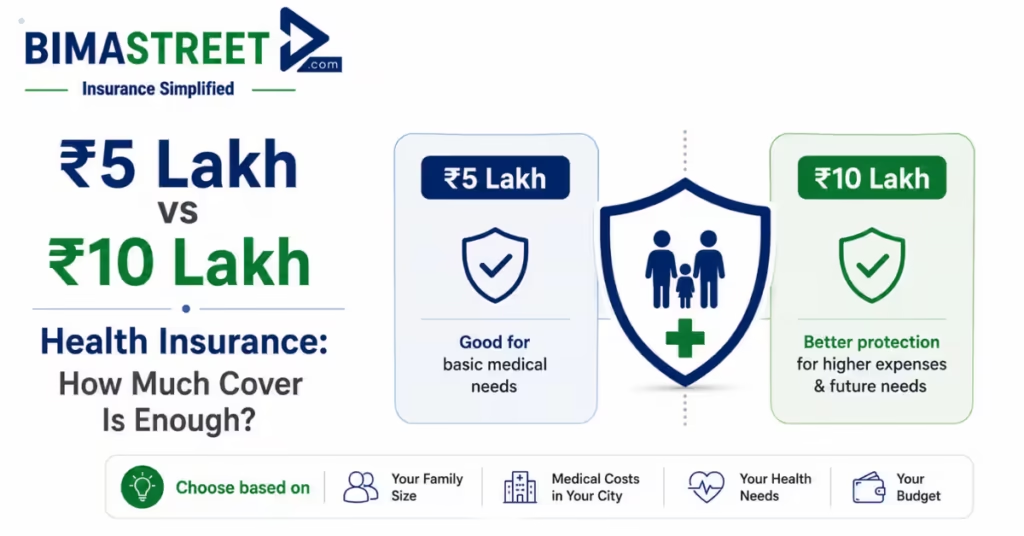
₹5 Lakh vs ₹10 Lakh Health Insurance: How Much Cover Is Enough?

One of the most frequently asked queries prior to buying health insurance is whether a ₹5 lakh cover is sufficient or whether one should go for the ₹10 lakh cover It is to be noted that various factors are considered in deciding the appropriate coverage amount, including the buyer’s age and family size the buyer’s place of residence, the buyer’s medical history and any other relevant factors. Deciding on the right Health Insurance Coverage Amount is of utmost importance to a buyer as it defines the maximum sum that the insurer undertakes to pay for the covered medical expenses during the policy duration, while remaining within the parameters of the policy terms and conditions In the following guide we discuss the various aspects of ₹5 lakh and ₹10 lakh health insurance and what factors need to be considered in making a choice between the two. What Is Health Insurance Coverage Amount? Understanding the Sum Insured The Health Insurance Coverage often referred to as the sum insured is the maximum amount of coverage provided by a health insurance policy during a policy year up to the terms and conditions of the contract allow The sum insured may be utilised for: Hospitalisation. Day-care procedures. Pre and post-hospitalisation expenses. Emergency medical treatment. Other covered medical expenses As outlined in the policy wording, the exact nature of coverage will depend upon the insurer and the given policy ₹5 Lakh Health Insurance Who May Consider It? A ₹5 lakh policy can be appropriate for those customers whose healthcare needs and financial considerations match this coverage amount It may be appropriate for: Young individuals. First-time health insurance buyers. People with limited healthcare requirements. Individuals looking for basic financial protection. Whether it is sufficient coverage depends entirely on the individual’s financial situation and healthcare needs ₹10 Lakh Health Insurance When Higher Coverage May Be Worth Considering A ₹10 lakh policy provides higher financial protection and may be appropriate for a customer with extended healthcare needs and or a bigger budget It may be appropriate for: Families with multiple members. Individuals living in cities where treatment costs may be higher. People seeking a higher level of financial protection. Those planning for future healthcare needs. The appropriateness of the coverage amount depends on the buyer’s financial situation as well as their healthcare needs Factors That Help Decide the Right Coverage Amount Think Beyond Today’s Medical Costs Insurance experts state that in choosing the right coverage amount, it is essential to assess: Your age. Family size. Existing medical conditions. Healthcare costs in your city. Lifestyle. Future medical needs. Budget. Existing health insurance coverage Having considered all of the above, the applicant will be able to determine the coverage amount most appropriate for them. Don’t Choose Based Only on Premium Balance Cost and Protection While premium is an important consideration, it should not be the only factor Before purchasing a policy, compare: Sum insured. Coverage benefits. Waiting periods. Network hospitals. Co-payment clauses. Exclusions. Claim support Choosing the right balance between premium and coverage can provide better long-term value Tips Before Buying Health Insurance Make an Informed Decision Prior to making their choice, buyers should Compare multiple health insurance plans. Estimate your family’s healthcare needs. Read the policy wording carefully. Understand exclusions and waiting periods. Check the network hospital list. Review your coverage at every renewal. This way, the buyer ensures that the coverage amount is appropriate for their healthcare needs and financial situation Frequently Asked Questions Is ₹5 lakh health insurance enough? It depends on the buyer’s age, family size, medical history the cost of healthcare services in their area, and their budget For every buyer, an appropriate coverage amount is different. There is no ‘best’ coverage amount. Is ₹10 lakh health insurance better? A higher coverage amount usually means greater financial protection for the insured, but in choosing a coverage amount it is important to remember one’s healthcare needs and budget. Should I review my health insurance coverage regularly? Yes, in fact, it is important to review one’s coverage on a regular basis, as well as in the wake of significant life events (e.g., marriage, the birth of a child). Conclusion Choosing the right Health Insurance Coverage Amount is one of the most important aspects of buying a health insurance policy. While ₹5 lakh coverage may be adequate for certain individuals, those with greater healthcare needs may find that a higher coverage amount is more appropriate for their situation. In making their choice, it is important for buyers to compare various options, get to know the policy terms and conditions and make their selection on the basis of their healthcare needs and financial situation By making an informed choice, the buyer ensures they have adequate financial protection for their medical needs in case of an emergency At BimaStreet, we believe that the right guidance is just as important as the right policy. When you understand what insurance advisors look for before recommending a plan, you’re in a much better position to choose health insurance that protects your family today and in the years ahead

Health Insurance vs Employer Insurance Which One Should You Rely On
BimaStreet Blogs, Health insurance

Health Insurance vs Employer Insurance: Which One Should You Rely On?

Most salaried employees get health insurance as part of their employee benefits. Employer provided health insurance not only provides thousands of rupees in financial protection but many people ponder whether or not it is adequate and if they should buy individual health insurance plans as well Importance of difference between Health Insurance vs Employer Insurance Both have different work Employer insurance covers you while you are employed and an individual health insurance policy provides coverage that generally remains in effect if the policy is continued per its terms and conditions In this guide we will help you understand the difference between the Health Insurance vs Employer Insurance and how making a single type of health insurance your go to option may not always be your best What Is Employer Health Insurance? Group Health Insurance Explained Employer health insurance or group health insurance is a policy Dawe by an employer for the eligible employees to provide medical coverage Depending on the employer and policy, dependents may also be covered Benefits often include: Hospitalisation expenses. Cashless treatment at network hospitals. Day care procedures. Pre and post-hospitalisation expenses (subject to policy terms) It is different from employer to employer and insurer to insurer in terms of coverage and benefits What Is Individual Health Insurance? Personal Medical Protection Individual health insurance plan is a policy that an individual buys directly from the insurer and provides coverage as per the selected policy. Depending on the policy, criteria may include: Hospitalisation cover. Cashless treatment. Day care procedures. Pre and post-hospitalisation expenses. Optional add-on benefits. The policy is owned by you and typically stays in force for as long as premiums are paid and the policy is renewed pursuant to its terms Health Insurance vs Employer Insurance Key Differences Things to keep in mind when deciding between Health Insurance vs Employer Insurance Ownership of the policy. Coverage amount. Continuity of coverage. Coverage for family members. Waiting periods. Portability options. Premium payment responsibility. Policy flexibility Knowing these differences enables you to make an educated choice. Can Employer Insurance Alone Be Enough? Things to Consider Employer insurance can be shiny, but sometimes it simply isn’t enough For example: You may change jobs. Your employer may change the insurance policy. Coverage limits may not match your healthcare needs. Family coverage may be limited. Benefits may vary between employers. Make sure to assess your health care needs before the decision to opt for employer sponsored only Benefits of Having Both Additional Financial Protection Some people carry both patented employer insurance as well as other individual health policies Potential advantages include: Additional financial protection. Continued coverage during job changes. Greater flexibility in choosing coverage. Long-term policy continuity. Protection that is independent of employment. Whether you keep both policies really depends on your individual situation and financial planning goals Tips for Choosing the Right Health Insurance Make an Informed Decision Before purchasing health insurance Compare multiple insurance plans. Review your employer’s existing coverage. Understand waiting periods and exclusions. Check the network hospital list. Choose an adequate sum insured. Read the policy wording carefully. Review your insurance needs regularly. It is an arduous task to choose the policy with the perfect balance between coverage, benefits and affordable price Frequently Asked Questions Is employer health insurance enough? Your healthcare needs, number of family members (the more the better), coverage amount and your future plans. Others opt for more extensive coverage with supplemental personal medical insurance, or to keep protected longer Can I keep my employer insurance after leaving my job? This depends upon the employer policy and the insurer terms. In most instances, the work health coverage is tied to your employment Should I buy personal health insurance if I already have employer insurance? To ensure that you are insured even if your job changes, many believe that it is better to buy an individual health insurance policy It is up to you (and how much in your financial situation) Conclusion Comparison between Health Insurance vs Employer Insurance is not a matter of one vs the other its about how each type of coverage fits your health care needs While employer insurance can be beneficial during your working life, individual health insurance provides you with long-term coverage and continuity However, check your existing coverage, compare different health insurance plans, and then select the policy by considering the terms & conditions of it. A solid health insurance plan can keep your family financially prepared for any unexpected medical expenses At BimaStreet, we believe that the right guidance is just as important as the right policy. When you understand what insurance advisors look for before recommending a plan, you’re in a much better position to choose health insurance that protects your family today and in the years ahead

Best Health Insurance Plans for Senior Citizens in India
BimaStreet Blogs, Health insurance

Best Health Insurance Plans for Senior Citizens in India

Medical expenses become a major financial issue because aged folks often need more medical care Having a suitable Senior Citizen Health Insurance policy would ease the burden of eligible medical expenses and keep you financially secure during any unplanned health emergencies, provided all the terms and conditions around such policies are met Choosing appropriate insurance can be difficult along with so many insurers offering a Different of plans However, coverage waiting periods network hospitals co-payment clauses exclusions and claim support may differ across insurers In this guide you will learn what is Senior Citizen Health Insurance, key features to compare and how to select a policy that provides adequate protection for your healthcare needs as well as providing financial support What Is Senior Citizen Health Insurance? Understanding the Coverage Senior Citizen Health Insurance for Elderly People Depending on the insurer and plan selected, they typically cover hospitalisation and medical expenses Coverage may include: In-patient hospitalisation. Day-care procedures. Pre and post-hospitalisation expenses. Cashless treatment at network hospitals. Ambulance expenses (where covered). Optional wellness benefits in selected plans The actual benefits depend on the insurer and policy terms. Why Senior Citizens Need Health Insurance Financial Security During Medical Emergencies A stronger financial background will also help when he/she is faced with some medical emergencies Age-based mortality has a higher cost than the average An ideal health insurance policy can assist counter the financial strain that may arise from the treatments included in your plan Here are some good reasons why you should think about health insurance Rising medical expenses. Increased likelihood of hospitalisation. Access to quality healthcare. Financial support during emergencies. Peace of mind for individuals and families Certainly, health insurance helps families to cover unanticipated care cost Features to Compare Before Buying Look Beyond the Premium When comparing Senior Citizen Health Insurance plans, consider Sum insured options. Waiting periods. Co-payment requirements. Network hospitals. Room rent limits. Coverage for pre-existing diseases. Day-care treatment benefits. Claim settlement process. Policy exclusions. Renewal conditions This comparison of these features helps you decide on a plan that best fit your healthcare needs. Understand Waiting Periods and Exclusions Read the Policy Carefully Waiting period & exclusions are part of every health insurance Before purchasing a policy, review: Initial waiting period. Waiting period for pre-existing diseases. Waiting period for specified illnesses. Permanent exclusions. Policy conditions Knowledge of the specifics can prevent miscommunication when filing a claim in the future. Check the Network Hospital List Easy Access to Cashless Treatment Cashless treatment is also offered by many insurers via such network hospitals Before selecting a policy: Verify whether hospitals near your residence are included. Review the size of the insurer’s network. Understand the cashless claim process. Having a broader network means you can access treatment more easily in the event of a medical emergency Tips for Choosing the Right Senior Citizen Health Insurance Make an Informed Decision Before purchasing a policy: Compare multiple insurance plans. Choose an adequate sum insured. Read the policy wording carefully. Understand co-payment clauses. Review waiting periods and exclusions. Check claim support services. Select a policy based on healthcare needs rather than premium alone Give yourself time to look at policies, and it will help you select a quality long-term decision Frequently Asked Questions At what age can I buy senior citizen health insurance? The eligible entry age varies by insurer and policy Check the policy documents for the specific age criteria Does senior citizen health insurance cover pre-existing diseases? Under certain policy terms and conditions, almost all policies cover pre-existing diseases post the waiting period Can senior citizens get cashless treatment? Yes. Most of the insurers will provide cashless hospitalization at the network hospital, based on the terms and conditions in your policy and the eligibility criteria Conclusion The comprehensive best Senior Citizen Health Insurance policy comparison in terms of coverage, waiting period, co-payment clause, exclusions, claim support as well as network hospitals is vital when seeking a medical insurance plan As the adage goes, what is cheap is not necessarily the best protection Always compare multiple plans before purchasing a policy, read the policy papers clearly and check that it has adequate coverage to meet your health care needs and finances. For the best benefits during a medical emergency, you must pick an ideal senior citizen health insurance coverage At BimaStreet, we believe that the right guidance is just as important as the right policy. When you understand what insurance advisors look for before recommending a plan, you’re in a much better position to choose health insurance that protects your family today and in the years ahead

Best Family Health Insurance Plans in India for Complete Protection
BimaStreet Blogs, Health insurance

Best Family Health Insurance Plans in India for Complete Protection

Medical emergencies happen suddenly and can result in hefty healthcare bills. A good Family Health Insurance plans will ensure your family’s finances are kept in check by reimbursing you for eligible medical expenses as outlined in the terms of the policy Most people prefer a family floater plan over buying individual health insurance policies for each member of the family since it provides a common sum insured to all the qualifying members under one policy But picking the right plan would require a thoughtful comparison of coverage, waiting period, exclusions, network hospitals and claim support In this article, we have discussed how to choose the best Family Health Insurance Plans in India along with some important points you must consider before choosing any one What Are Family Health Insurance Plans? Understanding Family Floater Policies A Family Health Insurance Plan is a health insurance plan that covers multiple family members in one policy And members eligible for this coverage may include, depending on the insurer and plan: Self Spouse Children Parents (in selected plans) Parents-in-law (where available) The sum insured is generally shared among the covered members making family floater plans a convenient option for many households Benefits of Family Health Insurance Plans Why Many Families Prefer Them One policy to cover many family members Single policy for multiple family members. One renewal date. Cashless treatment at network hospitals (subject to policy terms). Financial protection against unexpected medical expenses. Optional wellness and preventive health benefits in selected plans The actual benefits depend on the insurer and the selected policy. Features to Compare Before Buying Don’t Choose Based on Premium Alone When to Compare before Finalizing Family Health Insurance Plans Sum insured options. Coverage for hospitalisation. Day-care procedures. Pre and post-hospitalisation expenses. Waiting periods. Network hospitals. Co-payment clauses. Room rent limits. Restoration benefits (if available). Claim settlement process. This in-depth comparison will help you find a policy that best meets the requirements of your family for medical treatment Check Waiting Periods and Exclusions Read the Policy Carefully Waiting periods and exclusions are there in every health insurance policy. Before purchasing a plan, understand Initial waiting period. Waiting period for pre-existing diseases. Waiting period for specified illnesses. Permanent exclusions. Policy conditions More reading the policy wording with a fine comb prevents misunderstanding during time to claim in future Consider the Cashless Hospital Network Access to Quality Healthcare Most of the insurers have a cashless treatment in their empanelled hospitals Before choosing a policy: Check whether leading hospitals near your home are included. Review the size of the network hospital list. Understand the cashless claim process. If you have a robust hospital network, the ease during medical emergencies can get better How to Choose the Right Family Health Insurance Plan Smart Buying Tips Before purchasing a policy: Compare multiple insurers. Choose an adequate sum insured. Review policy benefits carefully. Understand exclusions and waiting periods. Check the insurer’s network hospitals. Read customer support and claim process details. Select a policy based on your family’s healthcare requirements rather than price alone. Choose a policy on the basis of what your family needs rather than on the basis of price alone. If you are able to compare plans in an educated manner then you might just find a plan that can give you the appropriate protection long term Frequently Asked Questions Is a family floater plan better than individual health insurance? It is based on your family history, general health demographics and budget type Family floater plans are generally ideal for young families but if necessary, individual policies can also be chosen in certain circumstances How much sum insured should I choose? The right amount of sum insured is based on the size and health history of your family, average cost for medical care in your city as well as future financial needs Can I include my parents in a family health insurance plan? While some insurers allow parents or parents-in-law to be included in health plans, others exclude them and offer a dedicated senior citizen health insurance. Details on eligibility vary by policy and insurer Conclusion It is easy to compare Family Health Insurance Plans with various premiums but the best Family Health Insurance Plans should be selected based on some other criteria too Factors such as waiting periods, network hospitals, exclusions, claim support and sum insured determine the right policy for you. Compare Health Plans Compare health covers by different insurers, read through the policy documents carefully and only then purchase a plan that fits your family’s health requirements An adequate family health insurance plan brings essential financial security & a sense of peace in medical emergencies At BimaStreet, we believe that the right guidance is just as important as the right policy. When you understand what insurance advisors look for before recommending a plan, you’re in a much better position to choose health insurance that protects your family today and in the years ahead

Top Health Insurance Companies in India Ranked by Claim Settlement Ratio
BimaStreet Blogs, Health insurance

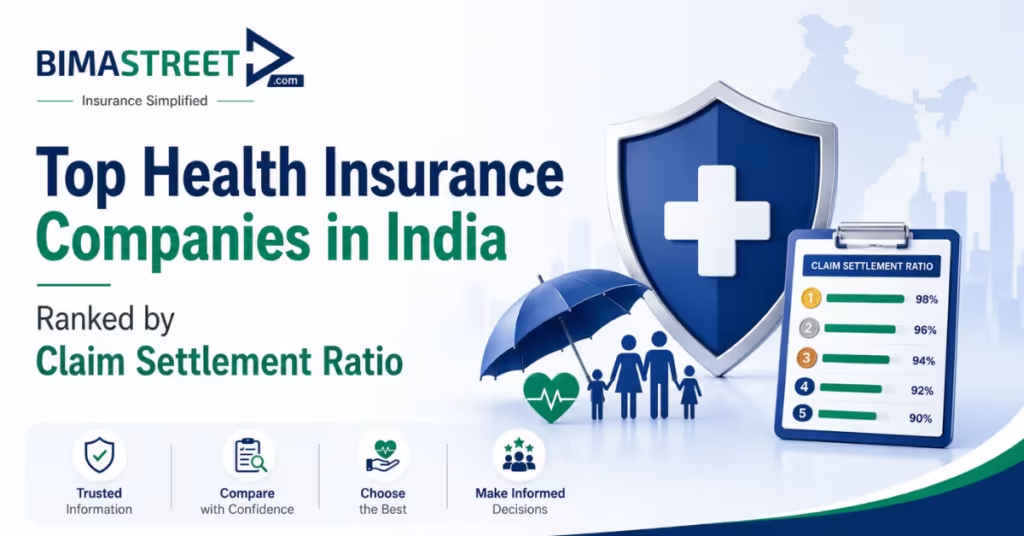
Top Health Insurance Companies in India Ranked by Claim Settlement Ratio

Buying suitable health insurance is a smart move and one of the most important financial decisions to make. As there are numerous insurers with multiple plans it is often quite difficult to compare policies Thus, buyers take into account many factors while opting for a health insurance provider, one of which is the claim settlement ratio as this can give you an idea about how good an insurer is when it comes to paying claims over a certain period But claim settlement ratio is not the only criteria to select a health insurance policy In addition coverage for network hospitals waiting period and exclusions as well customer service premium and policy features is equally important This article helps you know How to Assess the Top Health Insurance Companies in India through the claim settlement ratio and other factors so you can make an informed decision. What Is a Claim Settlement Ratio? Understanding the Metric The claim settlement ratio (CSR) usually indicates how many of the claims filed with an insurance company in a given financial year are settled along with total received A higher claim settlement ratio represents a steady pattern of settling claims but there is nothing to ensure that every individual claim will be settled All claims are evaluated based on the terms of the policy documents submitted, medical reports and outlines of the claim Top Health Insurance Companies in India Leading Health Insurers In India, a wide range of comprehensive health insurance products are offered by several insurers. Some well-known companies include: Niva Bupa Health Insurance Star Health and Allied Insurance Care Health Insurance HDFC ERGO Health Insurance ICICI Lombard General Insurance Tata AIG General Insurance Bajaj Allianz General Insurance Aditya Birla Health Insurance SBI General Insurance Reliance General Insurance Different Insurer Joins Different Plan Benefits Waiting Period and Hospital Network. The best type of insurer all depends on what you expect from healthcare and your financial objectives Why Claim Settlement Ratio Matters One Factor Among Many A relatively higher claim settlement ratio may suggest that the insurer had a satisfactory number of claims settled during the period under consideration However buyers should also evaluate Coverage offered. Sum insured options. Cashless hospital network. Waiting periods. Policy exclusions. Customer support. Premium affordability. Optional add-on benefits. Considering all these factors gives you a more holistic view of a health insurance policy. How to Compare Health Insurance Companies A Practical Checklist Before purchasing health insurance, compare Claim settlement ratio. Incurred claim ratio. Number of network hospitals. Room rent limits. Pre and post-hospitalisation benefits. Day-care procedures covered. Waiting periods. Co-payment clauses. Renewal benefits. Comparison of these features helps you choose a plan based on your healthcare needs. Tips for Choosing the Right Health Insurance Company Make an Informed Decision Keep these points in mind: Compare multiple insurers before buying. Read the policy wording carefully. Understand exclusions and waiting periods. Check the cashless hospital network. Choose an adequate sum insured. Review the claim process. Consider customer service quality. With a comparison which is based on proper education, you can choose the right long-term health coverage Frequently Asked Questions Is a higher claim settlement ratio always better? Although a claim settlement ratio is higher it reflects the consistency of proving claims but should not be the sole factor considered It should also include coverage, benefits protections and limitations, as well as hospitals Networks  Can a company with a high claim settlement ratio reject my claim? Yes. Each health insurance claim is evaluated in accordance with the terms and conditions of the policy, previous medical history of the insured patient, submitted documents and the nature of circumstances associated with it. How often should I compare health insurance companies? You should periodically check your health coverage or whenever you have a change in healthcare needs family size, or financial conditions Conclusion Although the claim settlement ratio is a key metric when it comes to comparing Top Health Insurance Companies in India this data should be assessed along with additional policy features Apart from premium, coverage benefits, waiting period network hospital list and customer service are the main points while informing about health insurance plans Compare as many insures before purchasing the policy and pay careful attention to the details in the papers of that policy, so with proper research you can choose a plan that suits your medical and financial needs Choosing once an informed choice these days can provide treasured safety for the duration of future healthcare emergencies At BimaStreet, we believe that the right guidance is just as important as the right policy. When you understand what insurance advisors look for before recommending a plan, you’re in a much better position to choose health insurance that protects your family today and in the years ahead

Best Health Insurance Plans in India Expert Comparison Guide
BimaStreet Blogs, Health insurance

Best Health Insurance Plans in India: Expert Comparison Guide

As the medical inflation in India grows higher with time, selecting the Best Health Insurance Plans in India is becoming increasingly crucial. In any case, a minimum of a few lakhs are required for hospitalised patients Therefore health comes under the purview of financial planning Despite all of this choice, dozens of insurers and hundreds of plans can make it difficult to pick the best policy for you The best health insurance plan comes with more than just affordability most buyers compare only premiums. Claim settlement ratio, network of hospitals, waiting period, room rent limits, restoration benefits and customer support are some factors that help assess the value for a policy In this expert comparison guide, you will get to know what the Best Health Insurance Plans in India are, how to compare features and pick the right policy that fits your needs. What Makes the Best Health Insurance Plan? Key Features to Compare Here are some of the key points you should assess while comparing the Best Health Insurance Plans in India. High sum insured Cashless hospitalization Large network of hospitals Strong claim settlement record No room rent restrictions Coverage for day-care procedures Pre and post-hospitalization expenses Restoration of the sum insured Annual health check-ups Lifetime renewability A wide-ranging policy needs to offer general coverage instead of just the cheapest premium Top Health Insurance Plans in India Popular Plans Worth Comparing A number of our plans are perennial favorites due to their great features and all-around value. Independent comparisons frequently highlight Bimastreet By Amaze Insurance Brokers Pvt Ltd HDFC ERGO Optima Secure+ Care Supreme Aditya Birla Activ One MAX Niva Bupa ReAssure Platinum SBI Super Health Platinum Infinite There is no one best plan for everyone. The right choice depends on your age, medical history, finances and healthcare needs. Compare Coverage Instead of Premium Bigger Protection Is More Important Avoid opting for a policy only because it comes with the least premium Compare Hospitalization coverage ICU expenses Ambulance charges Day-care procedures Organ donor expenses AYUSH treatment (where covered) Domiciliary hospitalization Mental health coverage (if included) A Slightly increase in premiums can offer a lot better protection Check the Claim Settlement Record Reliability Matters This outlines the efficiency of an insurer in settling genuine claims. While this can not be the only consideration, it always feels better to have an insurer that has a track record of good claim settlement performance to give you peace of mind during medical emergencies Also, compare customer service, complaints and claim processing efficiency Evaluate the Network Hospital List Cashless Treatment Is Essential No monetary burden on hospitalization with cashless treatment Choose an insurer that offers A large network of hospitals Good hospitals near your residence Easy cashless claim process Fast authorization The greater the number of providers within your network, the smoother your treatment experience Understand Waiting Periods Read the Policy Carefully Waiting period for illness Most of the health insurance policies have specific waiting time before one can claim for some conditions These may include: Initial waiting period Pre-existing diseases Specific illnesses Maternity benefits You may dodge potential claim shock in the future by comparing waiting periods before purchase Look for Restoration Benefits Extra Protection After a Claim Most of the contemporary health insurance plans provide you an automatic restore of your sum assured after it has been completely exhausted as a result from the availing act. This facility may be highly beneficial if there are multiple hospitalizations during the same policy year Consider Your Family’s Needs One Plan Doesn’t Fit Everyone The Best Health Insurance Plans in India vary depending on who needs coverage Choose wisely if you are: A young professional A married couple Parents with children Senior citizens Someone with pre-existing diseases Make sure to always choose a plan according to your present and future medical needs Common Mistakes to Avoid Don’t Make These Buying Errors Avoid these mistakes Buying only because of a low premium. Ignoring waiting periods. Choosing inadequate coverage. Not checking room rent limits. Forgetting to compare network hospitals. Hiding pre-existing diseases. Ignoring policy exclusions. A close comparison today can save a financial headache tomorrow Frequently Asked Questions Which is the best health insurance plan in India? Not everybody has a plan that works for them. The best plan for you is determined by your age, number of family members, budget, medical history, and the hospitals where you want to get treated How much health insurance coverage should I buy? Most planners advise for a sum assured which at least covers major hospitalisation expenses in your city, given medical inflation Should I choose the cheapest policy? No, Never. Instead of focussing on premium, compare only coverage, claim settlement ratio, waiting periods, exclusions and network hospitals Conclusion Selection from Best Health Insurance Plans in India involves lots of research and comparative study. Instead of going for a policy based on price only, consider full coverage, claim settlement records, network hospitals, waiting periods restoration benefits and customer services A good health insurance policy is not only about protecting financially but also offers individuals peace of mind during difficult times A careful comparison of the plans and understanding a specific family member’s needs can not only safeguard your hard-earned finances but will also ensure you receive the medical treatment needed at every step At BimaStreet, we believe that the right guidance is just as important as the right policy. When you understand what insurance advisors look for before recommending a plan, you’re in a much better position to choose health insurance that protects your family today and in the years ahead

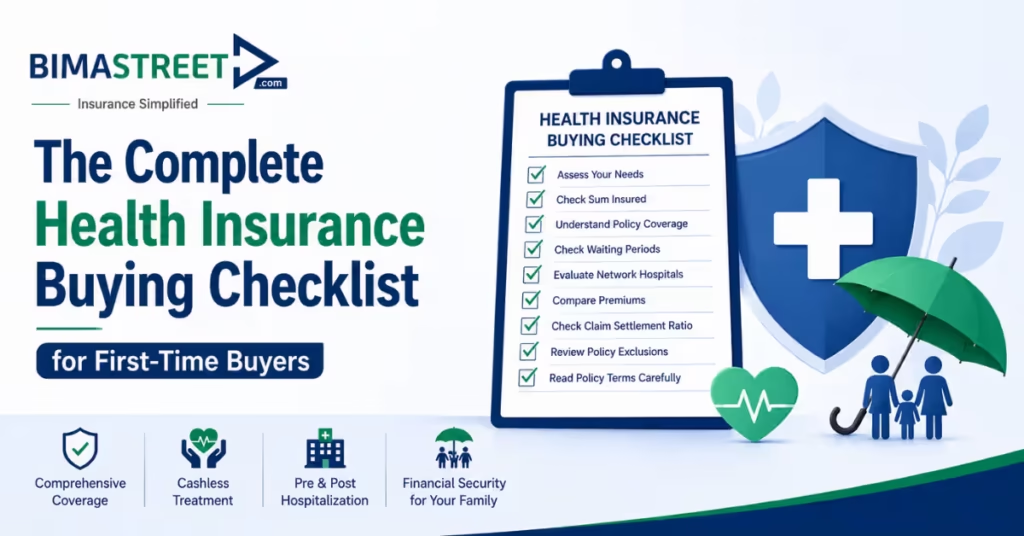
The Complete Health Insurance Buying Checklist for First-Time Buyers
BimaStreet Blogs, Health insurance

The Complete Health Insurance Buying Checklist for First Time Buyers

Health insurance for beginners Age of purchasing health insurance Fueled by so many insurers, the types of policies, coverage options, and technical terms involved in insurance policy making, it would not be difficult to decide only based on price here. The reality is that if the health insurance policy you choose is wrong, it could leave you underinsured when you really need financial protection Hence, all first-time buyers must stick to an appropriate Insurance Buying Checklist before they buy a policy. A checklist assists you in comparing policies, understanding key features of different plans identifying common mistakes consumers make, and selecting coverage while taking your healthcare needs and financial situation into account This guide will let you walk through the complete Insurance Buying Checklist, to help you choose the right health insurance policy for yourself and your family Why Do You Need an Insurance Buying Checklist? Make an Informed Decision Health insurance is a financial commitment spanning many years. Compare Important Features If you go for a policy without comparing the important feature then, in times of medical emergencies, you may have to pay out-of-pocket A proper Insurance Buying Checklist helps you Compare different health insurance plans Compare different health insurance plans. Understand policy benefits. Avoid hidden charges. Select adequate coverage. Improve claim experience. Protect your family’s financial future. Being informed today can save you significant expenses tomorrow. Checklist #1 Assess Your Healthcare Needs Start with Your Family’s Requirements Before comparing policies, evaluate Your age. Family size. Existing medical conditions. Lifestyle. Annual healthcare expenses. Future medical needs Selecting a policy tailored according to the healthcare needs of the insured improves their immunity. Checklist #2 Choose the Right Sum Insured Don’t Settle for Low Coverage Every year medical expenses are going up and you need to be sure that sufficient coverage is there Consider Hospitalisation cost in your city Family medical history. Inflation in healthcare expenses. Existing financial responsibilities Higher sum assured helps cover unforeseen healthcare expenses Checklist #3 Compare Waiting Periods Know When Coverage Begins Various insurers typically have various waiting periods for. Pre-existing diseases. Specific illnesses. Maternity benefits. Certain surgeries. Having a shorter waiting period, if you or a family member has any existing health conditions, can also be useful Checklist #4 Check Network Hospitals Cashless Treatment Matters A house of multiple hospitals provides more convenience for emergency situations Look for insurers that provide Cashless hospitalization. Reputed hospitals near your home. Easy claim processing. 24×7 customer assistance Always check to see if your hospitals of choice are in the insurer’s network Checklist #5 Understand What’s Covered Read the Coverage Carefully Well, a complete health insurance policy must entail the following: Hospitalization expenses. Pre and post-hospitalization costs. Day-care procedures. Ambulance charges. ICU expenses. Diagnostic tests. Cashless treatment. Annual health check-ups Do not look at the premium alone evaluate policy features thoroughly Checklist #6 Review Policy Exclusions Know What Isn’t Covered There are exclusions under every health insurance policy. Common exclusions may include: Cosmetic treatments. Self-inflicted injuries. Experimental procedures. Non-medical expenses. Treatments during waiting periods Some exclusions in your insurance policy are common sense, but seeing them in print can prevent surprises when you actually need to file a claim Checklist #7 Check the Claim Settlement Ratio Choose a Reliable Insurer The claim settlement ratio simply measures the percentage of claims that is settled by an insurer in a financial year. While not the only determinant, looking up claim settlement records gives a sense of how dependable the insurer is Also evaluate: Customer reviews. Claim process. Turnaround time. Customer support quality Checklist #8 Compare Premiums Wisely Don’t Buy Based Only on Price Cheapest is not always the best policy. Instead, compare Coverage benefits. Sum insured. Waiting periods. Hospital network. Co-payment clauses. Room rent limits Paying a little extra premium could offer so much more financial security Checklist #9 Disclose Your Medical History Honestly Transparency Prevents Claim Rejection Always disclose Existing illnesses. Previous surgeries. Ongoing treatments. Current medications. Family medical history (where required). It reduces the risk of claim rejection in the future, with honest disclosure Checklist #10 Read the Policy Documents Carefully Don’t Skip the Fine Print Carefully review before you buy your policy Policy terms. Waiting periods. Exclusions. Claim procedure. Renewal conditions. Cancellation policy Full policy knowledge can help you make informed decisions during medical emergencies. Common Mistakes First-Time Buyers Should Avoid Learn Before You Buy Avoid these common mistakes Buying insurance too late. Choosing insufficient coverage. Ignoring waiting periods. Selecting the cheapest policy without comparison. Not checking network hospitals. Hiding pre-existing diseases. Forgetting policy renewals These errors can deflate the power of your policy, just when you want it most Frequently Asked Questions What is the most important item in an Insurance Buying Checklist? The sum insured, the coverage under the policy chosen, waiting periods and selection of an insurer are some of the most crucial factors Should first-time buyers purchase family floater or individual health insurance? It depends on how big your family is, how young or old you are and what kind of health care you will need. Family floater plans are often beneficial for young families as opposed to senior citizens who will require individual policies Is buying health insurance at a younger age beneficial? Yes. It is well known that buying early remains to be a much cheaper option in terms of the premiums paid, an easier approval of policy and more often than not, having waiting periods completed before there are big health concerns Conclusion Buying health insurance for the first time is an important financial decision that should be planned ahead of time. Insurance Buying Checklist helps you compare policies correctly, know the key features of each plan, and identify costly mistakes while purchasing a policy Choose a policy not solely on the basis of premium, rather assess things like sum insured, waiting periods, hospital network, exclusions, claim settlement history and coverage as a whole Make a wise choice now and ensure your family is either preserved from unwanted health woes whilst

Contact Details

Support mail:

care@bimastreet.com

Claim mail:

claim@bimastreet.com

For Other Query:

info@bimastreet.com

Phone Number:

(+91)9391009482/84/89

BIMASTREET is the online insurance platform of Amaze insurance brokers pvt ltd

Corporate Office :- #403, THE LEGEND, Metro Pillar C1338, Motilal Nehru Nagar, Begumpet, Hyderabad – 500016

Regd Office: – Ground Floor, Villa No.10, Richmond Villas, Near Glendale International School, Hydershakote, Hyderabad-500086.

Website Approved By IRDAI(Govt. of india)
ISNP Ref: IRDAI/INT/ISNP/2021/79
IRDA License Number: 549
Licensed on: 24/02/2025
Valid Upto: 23/02/2028

Disclaimer: Disclaimer: Insurance is the subject matter of solicitation. Visitors are hereby informed that their information submitted on the website may be shared with insurers. The product information for comparison displayed on this website is of the insurers with whom our company has an agreement. Product information is authentic and solely based on the information received from the Insurer. The information provided on this website/page is for information purpose only. Bimastreet.com does not in any form or manner endorse the information so provided on the website and strives to provide factual and unbiased information to customers to assist in making informed insurance choices.

Scroll to Top