

Health insurance india

Best Health Insurance Plans for Senior Citizens in India
BimaStreet Blogs, Health insurance

Best Health Insurance Plans for Senior Citizens in India

Medical expenses become a major financial issue because aged folks often need more medical care Having a suitable Senior Citizen Health Insurance policy would ease the burden of eligible medical expenses and keep you financially secure during any unplanned health emergencies, provided all the terms and conditions around such policies are met Choosing appropriate insurance can be difficult along with so many insurers offering a Different of plans However, coverage waiting periods network hospitals co-payment clauses exclusions and claim support may differ across insurers In this guide you will learn what is Senior Citizen Health Insurance, key features to compare and how to select a policy that provides adequate protection for your healthcare needs as well as providing financial support What Is Senior Citizen Health Insurance? Understanding the Coverage Senior Citizen Health Insurance for Elderly People Depending on the insurer and plan selected, they typically cover hospitalisation and medical expenses Coverage may include: In-patient hospitalisation. Day-care procedures. Pre and post-hospitalisation expenses. Cashless treatment at network hospitals. Ambulance expenses (where covered). Optional wellness benefits in selected plans The actual benefits depend on the insurer and policy terms. Why Senior Citizens Need Health Insurance Financial Security During Medical Emergencies A stronger financial background will also help when he/she is faced with some medical emergencies Age-based mortality has a higher cost than the average An ideal health insurance policy can assist counter the financial strain that may arise from the treatments included in your plan Here are some good reasons why you should think about health insurance Rising medical expenses. Increased likelihood of hospitalisation. Access to quality healthcare. Financial support during emergencies. Peace of mind for individuals and families Certainly, health insurance helps families to cover unanticipated care cost Features to Compare Before Buying Look Beyond the Premium When comparing Senior Citizen Health Insurance plans, consider Sum insured options. Waiting periods. Co-payment requirements. Network hospitals. Room rent limits. Coverage for pre-existing diseases. Day-care treatment benefits. Claim settlement process. Policy exclusions. Renewal conditions This comparison of these features helps you decide on a plan that best fit your healthcare needs. Understand Waiting Periods and Exclusions Read the Policy Carefully Waiting period & exclusions are part of every health insurance Before purchasing a policy, review: Initial waiting period. Waiting period for pre-existing diseases. Waiting period for specified illnesses. Permanent exclusions. Policy conditions Knowledge of the specifics can prevent miscommunication when filing a claim in the future. Check the Network Hospital List Easy Access to Cashless Treatment Cashless treatment is also offered by many insurers via such network hospitals Before selecting a policy: Verify whether hospitals near your residence are included. Review the size of the insurer’s network. Understand the cashless claim process. Having a broader network means you can access treatment more easily in the event of a medical emergency Tips for Choosing the Right Senior Citizen Health Insurance Make an Informed Decision Before purchasing a policy: Compare multiple insurance plans. Choose an adequate sum insured. Read the policy wording carefully. Understand co-payment clauses. Review waiting periods and exclusions. Check claim support services. Select a policy based on healthcare needs rather than premium alone Give yourself time to look at policies, and it will help you select a quality long-term decision Frequently Asked Questions At what age can I buy senior citizen health insurance? The eligible entry age varies by insurer and policy Check the policy documents for the specific age criteria Does senior citizen health insurance cover pre-existing diseases? Under certain policy terms and conditions, almost all policies cover pre-existing diseases post the waiting period Can senior citizens get cashless treatment? Yes. Most of the insurers will provide cashless hospitalization at the network hospital, based on the terms and conditions in your policy and the eligibility criteria Conclusion The comprehensive best Senior Citizen Health Insurance policy comparison in terms of coverage, waiting period, co-payment clause, exclusions, claim support as well as network hospitals is vital when seeking a medical insurance plan As the adage goes, what is cheap is not necessarily the best protection Always compare multiple plans before purchasing a policy, read the policy papers clearly and check that it has adequate coverage to meet your health care needs and finances. For the best benefits during a medical emergency, you must pick an ideal senior citizen health insurance coverage At BimaStreet, we believe that the right guidance is just as important as the right policy. When you understand what insurance advisors look for before recommending a plan, you’re in a much better position to choose health insurance that protects your family today and in the years ahead
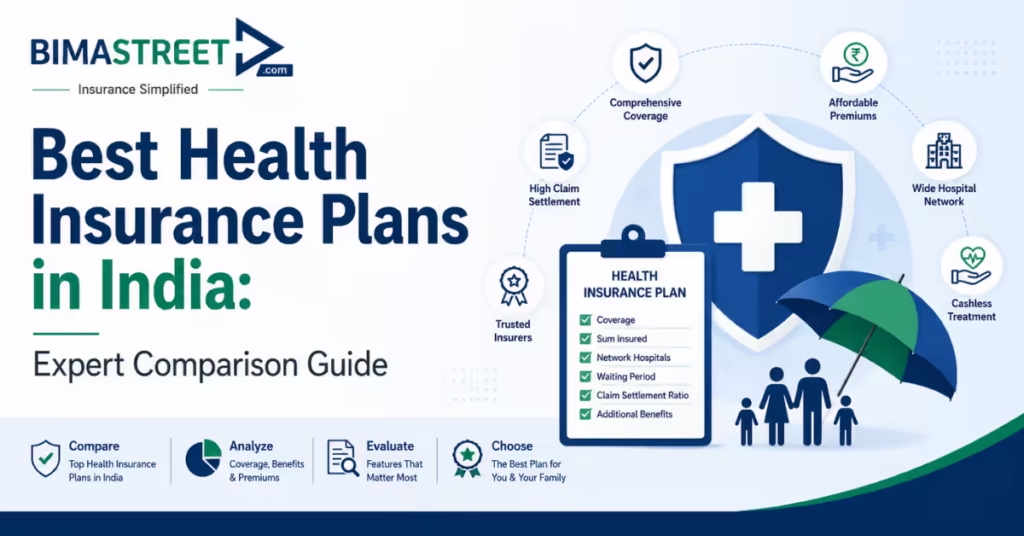
Best Health Insurance Plans in India Expert Comparison Guide
BimaStreet Blogs, Health insurance

Best Health Insurance Plans in India: Expert Comparison Guide

As the medical inflation in India grows higher with time, selecting the Best Health Insurance Plans in India is becoming increasingly crucial. In any case, a minimum of a few lakhs are required for hospitalised patients Therefore health comes under the purview of financial planning Despite all of this choice, dozens of insurers and hundreds of plans can make it difficult to pick the best policy for you The best health insurance plan comes with more than just affordability most buyers compare only premiums. Claim settlement ratio, network of hospitals, waiting period, room rent limits, restoration benefits and customer support are some factors that help assess the value for a policy In this expert comparison guide, you will get to know what the Best Health Insurance Plans in India are, how to compare features and pick the right policy that fits your needs. What Makes the Best Health Insurance Plan? Key Features to Compare Here are some of the key points you should assess while comparing the Best Health Insurance Plans in India. High sum insured Cashless hospitalization Large network of hospitals Strong claim settlement record No room rent restrictions Coverage for day-care procedures Pre and post-hospitalization expenses Restoration of the sum insured Annual health check-ups Lifetime renewability A wide-ranging policy needs to offer general coverage instead of just the cheapest premium Top Health Insurance Plans in India Popular Plans Worth Comparing A number of our plans are perennial favorites due to their great features and all-around value. Independent comparisons frequently highlight Bimastreet By Amaze Insurance Brokers Pvt Ltd HDFC ERGO Optima Secure+ Care Supreme Aditya Birla Activ One MAX Niva Bupa ReAssure Platinum SBI Super Health Platinum Infinite There is no one best plan for everyone. The right choice depends on your age, medical history, finances and healthcare needs. Compare Coverage Instead of Premium Bigger Protection Is More Important Avoid opting for a policy only because it comes with the least premium Compare Hospitalization coverage ICU expenses Ambulance charges Day-care procedures Organ donor expenses AYUSH treatment (where covered) Domiciliary hospitalization Mental health coverage (if included) A Slightly increase in premiums can offer a lot better protection Check the Claim Settlement Record Reliability Matters This outlines the efficiency of an insurer in settling genuine claims. While this can not be the only consideration, it always feels better to have an insurer that has a track record of good claim settlement performance to give you peace of mind during medical emergencies Also, compare customer service, complaints and claim processing efficiency Evaluate the Network Hospital List Cashless Treatment Is Essential No monetary burden on hospitalization with cashless treatment Choose an insurer that offers A large network of hospitals Good hospitals near your residence Easy cashless claim process Fast authorization The greater the number of providers within your network, the smoother your treatment experience Understand Waiting Periods Read the Policy Carefully Waiting period for illness Most of the health insurance policies have specific waiting time before one can claim for some conditions These may include: Initial waiting period Pre-existing diseases Specific illnesses Maternity benefits You may dodge potential claim shock in the future by comparing waiting periods before purchase Look for Restoration Benefits Extra Protection After a Claim Most of the contemporary health insurance plans provide you an automatic restore of your sum assured after it has been completely exhausted as a result from the availing act. This facility may be highly beneficial if there are multiple hospitalizations during the same policy year Consider Your Family’s Needs One Plan Doesn’t Fit Everyone The Best Health Insurance Plans in India vary depending on who needs coverage Choose wisely if you are: A young professional A married couple Parents with children Senior citizens Someone with pre-existing diseases Make sure to always choose a plan according to your present and future medical needs Common Mistakes to Avoid Don’t Make These Buying Errors Avoid these mistakes Buying only because of a low premium. Ignoring waiting periods. Choosing inadequate coverage. Not checking room rent limits. Forgetting to compare network hospitals. Hiding pre-existing diseases. Ignoring policy exclusions. A close comparison today can save a financial headache tomorrow Frequently Asked Questions Which is the best health insurance plan in India? Not everybody has a plan that works for them. The best plan for you is determined by your age, number of family members, budget, medical history, and the hospitals where you want to get treated How much health insurance coverage should I buy? Most planners advise for a sum assured which at least covers major hospitalisation expenses in your city, given medical inflation Should I choose the cheapest policy? No, Never. Instead of focussing on premium, compare only coverage, claim settlement ratio, waiting periods, exclusions and network hospitals Conclusion Selection from Best Health Insurance Plans in India involves lots of research and comparative study. Instead of going for a policy based on price only, consider full coverage, claim settlement records, network hospitals, waiting periods restoration benefits and customer services A good health insurance policy is not only about protecting financially but also offers individuals peace of mind during difficult times A careful comparison of the plans and understanding a specific family member’s needs can not only safeguard your hard-earned finances but will also ensure you receive the medical treatment needed at every step At BimaStreet, we believe that the right guidance is just as important as the right policy. When you understand what insurance advisors look for before recommending a plan, you’re in a much better position to choose health insurance that protects your family today and in the years ahead
Health Insurance Waiting Period Explained: What Most Buyers Don't Know
BimaStreet Blogs, Health insurance

Health Insurance Waiting Period Explained: What Most Buyers Don’t Know

Health Insurance waiting period is one such factor that almost everyone remembers just before finalizing a policy, after letting go of an important opportunity. Purchasing health insurance is the smartest thing anyone can do in their life but they lose out on essential elements like a waiting period? Though your policy may be active the moment you actually pay for it, not every healthcare expenditure is covered from day one. And as soon as their insurance is purchased, most policyholder tend to think that all of their hospitalisation expenses can be claimed But for some illnesses, treatments and pre-existing diseases, there is a waiting period implemented during which time insurance companies do not cover the costs associated with that ailment If you are not aware of these waiting periods, your claim might be delayed or even denied Through this guide, you will understand everything regarding the Health Insurance Waiting Period, types of waiting periods, why insurers keep them and how to find a policy that best meets your health requirements What Is a Health Insurance Waiting Period? Understanding the Basics A Health Insurance Waiting period is the time you need to wait before making claims for certain diseases, treatments or medical problems under the health insurance policy Your policy comes into effect the moment you pay the premium, yet certain claims do not become payable until after a specified waiting period When you apply, there is a wait period which are based on: The insurance company The type of policy The illness or treatment Whether the condition is pre-existing Awareness of these rules keeps you from getting an unpleasant surprise while settling a claim Why Do Insurance Companies Have Waiting Periods? Preventing Misuse of Insurance Waiting periods help to minimize the chance that people will buy health insurance in response to a diagnosis or when they need urgent care, as naturally these people would not be able to bring about a positive change in outcome outcome. Waiting periods help insurers: Reduce fraudulent claims Maintain affordable premiums Justifiable coverage for all insured persons. Encourage long-term health insurance planning These terms safeguard true policyholders and insurers Types of Health Insurance Waiting Period Initial Waiting Period Many health insurance policies have a waiting period of roughly 30 days from the beginning of the policy. At this stage, claims are only covered when it comes to accidents but not for anything else. Waiting Period for Pre-Existing Diseases A pre-existing disease means you already had a disease, like diabetes, hypertension, asthma or thyroid disorders before taking the policy Insurers generally have a waiting period of somewhere between 2 to 4 years before availing coverage for expenses pertaining to these conditions. Disease-Specific Waiting Period There are specific waiting periods, irrespective of being pre-existing. Examples include: Hernia Cataract Kidney stones Joint replacement Varicose veins Gallbladder surgery There is normally a waiting time of 1 to 3 years for such conditions Maternity Waiting Period Health insurance plans that include maternity benefits usually have waiting periods ranging from 9 months to 4 years, depending on the insurer Couples planning a family should purchase health insurance well in advance What Happens During the Waiting Period? Are Any Claims Allowed? Yes. Most illnesses are excluded during the waiting period while accidental injuries usually receive immediate coverage once the policy starts, per terms of a policy After the waiting period, routine illnesses will start to be covered. Can You Reduce the Health Insurance Waiting Period? Ways to Get Faster Coverage Several insurers provide alternate methods to shorten the amount of waiting time, such as: Purchasing higher coverage plans Buying specific add-on covers Porting from another insurer with continuity benefit Maintaining uninterrupted policy renewals Before making any decision, always compare policy policies Common Mistakes Buyers Make Avoid These Costly Errors Common missteps among policy holders include: Not reading waiting period clauses Hiding pre-existing illnesses Buying insurance only after diagnosis Ignoring disease-specific waiting periods Not comparing waiting periods among insurers Knowing these won’t lead to claims of regret. Tips to Choose the Right Health Insurance Policy Compare Before You Buy Before purchasing health insurance, compare Waiting period duration Sum insured Premium Network hospitals Claim settlement ratio Day-care coverage Room rent limits Co-payment clauses Policy exclusions Choosing the correct plan helps you to stay financially fit in a medical emergency Frequently Asked Questions Is every claim rejected during the waiting period? No. Accidental hospitalization is covered from day one, whereas specialized illnesses can only be claimed after the waiting period has been fulfilled Can waiting periods be waived? Select insurers provide some waiting period concessions in the form of special plans or add-on benefits, but keep in mind that this is not a universal feature across all insurers. Does every insurer have the same waiting period? Yes, waiting periods are unique to each insurer and type of policy plan you choose Conclusion One of the most important things to do before buying any kind of health insurance policy, is to understand the health insurance waiting period This feature helps you understand the waiting period for different medical conditions before your coverage is in effect, allowing surprises when the settlement of a claim Choose insurance after carefully comparing the waiting periods, coverage, exclusions and claim settlement records of each policy instead of a decision being based only on premium The earlier you buy health insurance, the better it is for you and your family, but continuing coverage ensures timely financial protection during times of a medical emergency At BimaStreet, we believe that the right guidance is just as important as the right policy. When you understand what insurance advisors look for before recommending a plan, you’re in a much better position to choose health insurance that protects your family today and in the years ahead
How Much Health Insurance Coverage Do You Really Need Based on Your Income
BimaStreet Blogs, Health insurance

How Much Health Insurance Coverage Do You Really Need Based on Your Income?

Purchasing health insurance is a critical financial move, but one question tends to consumers.. How much health insurance coverage do I actually need You either get a lesser coverage to trek down the premiums or go with a higher coverage option even when it may not be in line with your needs. Either of those choices can put unwelcome pressure on your finances Not just your income, the right health insurance coverage will be based on the health needs of your family members, their medical history, lifestyle and future financial needs If you’re planning to buy health insurance, here’s a practical way to estimate the coverage that may be suitable for your situation Why Choosing the Right Coverage Matters The main purpose of health insurance is to de-stress the economic toll of a medical emergency. But if you are not adequately covered, then i.e. the coverage amount is low you might have to shell out a large chunk of the hospital bill from your own savings. Alternatively, purchasing well over coverage amounts you require without knowing what your needs are can drive up premium costs unnecessarily This balance is what you need to find. Is Income the Only Factor? It is a common misconception that the only factor influencing how much health insurance you need to buy is how much one earns. In reality, it is not an easy question and experienced insurance advisors consider many factors before suggesting a coverage amount Income Is Only One Part of the Picture Your monthly income certainly affects your ability to pay premiums However, advisors also look at: Family size City of residence Existing medical conditions Lifestyle Healthcare preferences Future financial goals A person earning ₹15 lakh per year with ageing parents may need more coverage, compared to a person earning ₹20 lakh but who is living alone Estimate Coverage Based on Your Income While every family is different, this table can serve as a starting point Suggested Health Insurance Coverage This should not be considered a Fixed rule. Your real coverage depends on income and health care. Utilize the extension as much of the time Other Factors That Affect Coverage Needs Income is critical, but it is only part of the equation Family Responsibilities For example, if you have a spouse and children or parents only financially dependent on you then higher coverage can be much better for protection Healthcare Costs in Your City City-wise difference in cost of medical treatment. Families residing in metro cities typically have a greater financial burden for hospitalization, compared to those living in smaller towns. Existing Medical Conditions If any close relatives in the family previously have diabetes, hypertension, Heart disease etc. then we may think about safe and wider coverage Future Healthcare Plans Think beyond today’s situation. The possibility of children, ageing parents, or other long-term health care expenses can also affect the insurance you buy When Should You Increase Your Coverage? Health insurance should not remain the same throughout your life. You may want to review your policy after major life events such as: Marriage Birth of a child Increase in income Purchasing a home Parents becoming financially dependent Rising healthcare costs This is why reviewing your policy every few years ensures that the coverage you have continues to meet your families needs Common Mistakes While Choosing Coverage While selecting their required coverage amount many buyers make blunders. Some common ones include: Choosing the lowest coverage to reduce premium Depending only on employer health insurance Ignoring future medical inflation Buying the same coverage as friends or relatives Not reviewing the policy after major life changes Remember, health insurance should be based on your personal situation-not someone else’s   Quick Coverage Planning Checklist Before deciding your health insurance coverage, ask yourself: How many people need coverage? What is my annual income? Do I have financial dependents? Are there senior citizens in the family? Do we have any existing medical conditions? Can I comfortably afford the premium? Will this coverage still be enough five years from now? Conclusion Selecting the right protection for your well-being care is about greater than simply your income every month. This means juggling your family’s health care needs, financial obligations and future medical costs. Instead of choosing insurance based only on premium prices or general suggestions, take time to think through your specific scenario. An appropriately designed health insurance plan can safeguard your family health and you financially in the years to come. At BimaStreet, we believe every family deserves coverage that matches their unique needs. Understanding how much health insurance coverage you really need is the first step towards making a confident and informed insurance decision

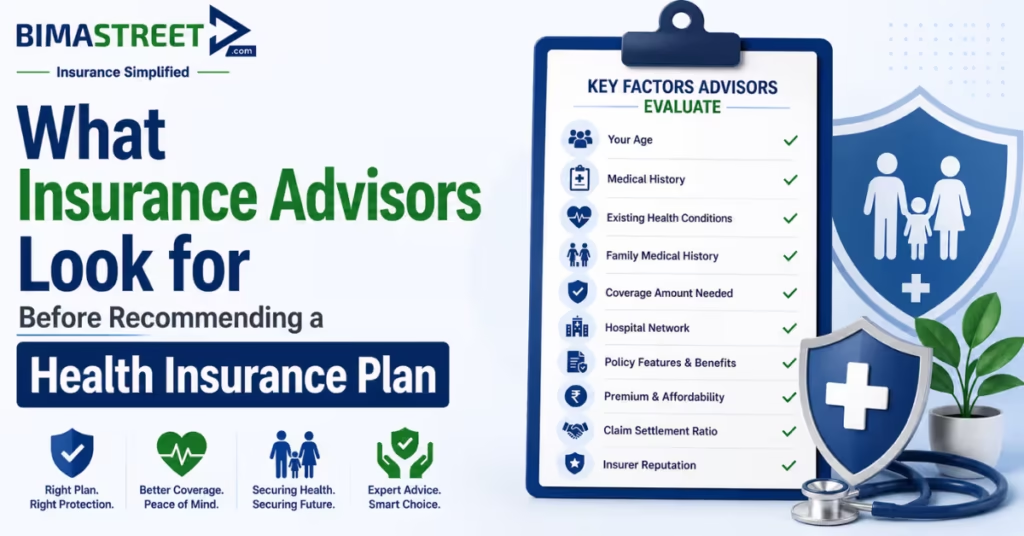
What Insurance Advisors Look for Before Recommending a Health Insurance Plan - Health Insurance Advisor
BimaStreet Blogs, Health insurance

What Insurance Advisors Look for Before Recommending a Health Insurance Plan

Separating the good from bad health insurance plans may seem like child’s play in the beginning. The average consumer compares premiums, considers the limit amount, and sells the policy that seems to offer the best value. However, seasoned Health insurance advisors don’t base their recommendations like that. One family’s healthcare needs, financial goals and medical risk is not another clinical scenario. A policy that suits one may not do so for another. A health insurance advisors looks at much more than the brochure before suggesting any plan, which is why Advisors look beyond just price to your lifestyle, family profile, future healthcare needs and the policy’s long-term value Understanding this approach can help you make better insurance decisions and choose a plan that truly protects your family Why Health Insurance Advisors Don’t Recommend the Same Policy to Everyone There are supposedly many “best” health insurance policies. In reality, there isn’t. An Health insurance advisors knows that different families have their own way of prioritizing Older individuals are the reason for higher coverage required by multiple families While others may need maternity benefits, young working professionals may strive for something cheaper to protect themselves from being thrown into a mountain of medical debt due to unforeseen circumstances Health insurance advisors are not there to sell you the most expensive plan. That is to get a grasp on the customers needs and prescribe a plan that strikes the best balance between protection, affordability, and future coverage Understanding Your Family Before the Policy Prior to comparing insurers, seasoned advisors get the scoop on those being insured. Family Size and Age A couple with small children needs different healthcare than a retired couple. Advisors consider: Number of family members Age of each member Presence of senior citizens Future family planning These things will affect the coverage amount and policy type Existing Medical Conditions Medical history holds a significant relevance in choosing the right health insurance. An advisor may ask about: Diabetes Blood pressure Heart-related conditions Previous surgeries Ongoing treatments Being fully upfront is key to pinpointing policies that provide appropriate coverage while minimizing the chance of claims complications in the future How How Health insurance Advisors Evaluate a Health Insurance Plan Your advisors will then compare policies based on practical features rather than advertisement when they understand your healthcare needs Coverage That Matches Your Needs Advisors do not just come up with your max coverage, they will focus on what makes sense for your family. They evaluate Sum insured Family floater or individual plans Day-care procedures Pre and post-hospitalization benefits Critical illness coverage The aim is to advise on coverage based on changes in your current and later healthcare needs Claim Experience Matters Getting a policy is just the start. We only recognise the true value of our health insurance when we see a claim This is why advisors carefully review: Cashless treatment availability Claim settlement process Hospital network Customer support Claim assistance An excellent claim-supporting policy can ease the burden of a tough medical scenario greatly Looking Beyond the Premium Many buyers ask only one question: “Which policy costs less?” Health Insurance advisor ask different questions. Does the policy have room rent restrictions? Are there co-payment clauses? What are the waiting periods? Are there important exclusions? Will the policy continue to meet future healthcare needs? These factors are generally more important than the premium itself. Questions Insurance Advisors Usually Ask When you first consult, most advisors will ask many questions about your personal and financial situation. This should be the way, as better understanding give me a chance to propose better recommendations Some common questions include: Who needs health insurance? What is your monthly budget? Do you already have employer health insurance? Which hospitals do you usually visit? Have you purchased health insurance before? Are you planning for long-term family healthcare? The answers help advisors recommend policies that fit your specific requirements instead of offering a generic solution   Common Mistakes Buyers Make Without Expert Guidance But if you buy health insurance without studying the fine print of your policy, then it is easy to make mistakes. Some of the most common ones include: Choosing a policy based only on premium Selecting inadequate coverage Ignoring waiting periods Not checking policy exclusions Overlooking network hospitals Hiding existing medical conditions Purchasing without comparing multiple policies In reality, all of these mistakes can be easily avoided if you take time to read and understand the policy before purchasing.   Advisors Quick Recommendation Checklist Usually a good & experienced advisor would check the following before recommending any health insurance plan. Family healthcare needs Medical history Suitable coverage amount Waiting periods Network hospitals Policy exclusions Claim support Long-term affordability Future healthcare requirements Conclusion You should never choose a health insurance policy only based on advertisements or premium costs. The right policy is a policy that meets you and your family’s current healthcare needs, financial objectives, and long term protection requirements This is exactly how Few insurance agents give advice. They first assess your circumstances, analyze plans meticulously and aim to help you reach an educated decision rather than just selecting the least expensive option At BimaStreet, we believe that the right guidance is just as important as the right policy. When you understand what insurance advisors look for before recommending a plan, you’re in a much better position to choose health insurance that protects your family today and in the years ahead
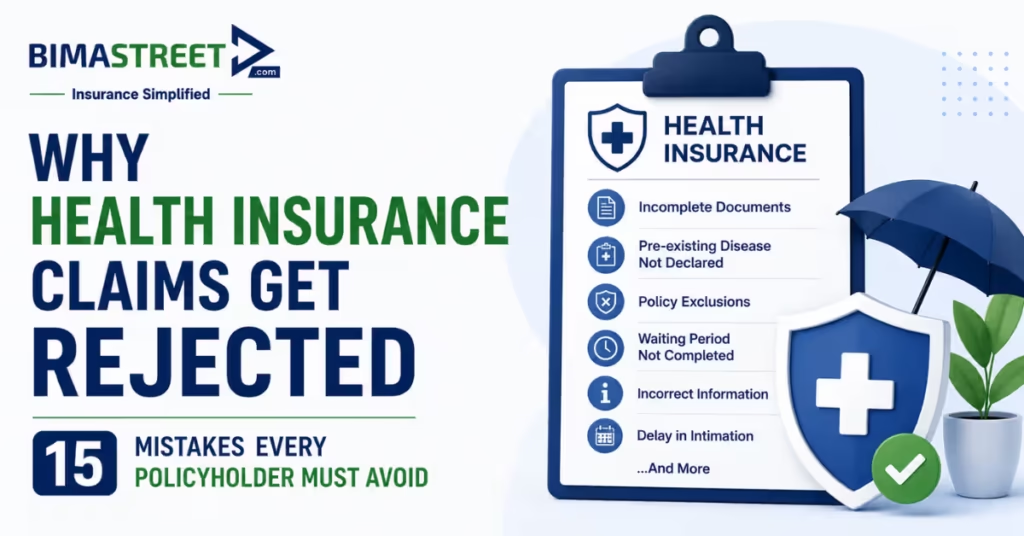
Why Health Insurance Claims Get Rejected 15 Mistakes Every Policyholder Must Avoid - Health Insurance Claim Rejection
BimaStreet Blogs, Health insurance

Why Health Insurance Claims Get Rejected: 15 Mistakes Every Policyholder Must Avoid

Purchasing health insurance is meant to act as a support for you and your family, especially during medical emergencies. But one of the major irritations that policyholders have to face is having their Health Insurance Claim Rejection However, claim rejection is not a case of health insurance not working in most cases. It happens because critical policy conditions were misunderstood, ignored or completely missed Fortunately, as long as you know a few things and take the time to prepare, most claim denials can be prevented. By knowing the 12 common mistakes that policyholders make you will immediately enhance your odds of a smoother claims process Let’s look at the most common reasons behind health insurance claim rejection and how to avoid them Why Do Health Insurance Claims Get Rejected? A health insurance claim is evaluated according to the policy meanings and terms. The claim might be denied or settled partially since it is not covered under the policy after all Proper knowledge about the Health claim rejection reason may assist the policyholder in making the right call during an emergency and avoid facing a shocking event   Hiding Pre-Existing Medical Conditions Non-disclosure of existing medical conditions is one of the top reasons for Health Insurance Claim Rejection Always disclose all health history, ongoing treatments and prior illnesses when purchasing a policy. Overall, being honest while purchasing a policy goes a long way in leading to an easier claim processing later. Providing Incorrect Information Even a minor error in personal information can trouble you at the time of claim assessment Always verify Name Age Contact information Medical history Lifestyle details The more accurate the information, the fewer disputes related to claims. Not Understanding Waiting Periods Most of the policyholders believe that coverage will start from day one for all types of disease they require treatment. However, most policies have waiting periods for: Pre-existing diseases Specific illnesses Maternity benefits During these waiting stages, claims may be denied Policy Lapse Due to Non-Renewal Failure to renew before the anniversary date could lead to policy expiration. The insurer may deny the claim if a policy is inactive on the day you are hospitalized. One way to avoid this mistake is by setting reminders to renew it. Treatment Not Covered Under the Policy Not every treatment is covered by every policy. Some procedures may be excluded or have specific limitations. Before hospitalization, review your policy coverage to understand what is included Claiming During the Waiting Period Also, even when a condition might be covered by the policy, claims may still be denied if they take place during the waiting period. This is why it becomes crucial to understand the new policy timelines before buying a health insurance policy Choosing a Non-Network Hospital Without Understanding the Process A majority of policyholders take for granted that every hospital may support cashless claims. However, cashless hospitalization is predominantly allowed in network hospitals. The claim settlement process is subject to whether the treatment has been taken at a non-network hospital Delayed Claim Intimation Policyholders should typically notify insurers within a certain period of time following hospitalisation. Claim notification delays are problematic. Inform the insurer or claim support team at the earliest if you can. Incomplete Documentation Another reason claims get delayed or rejected is missing documentation. Important documents may include: Hospital bills Discharge summary Medical reports Identity proof Claim forms If you maintain proper records, it will ease the process. Ignoring Policy Exclusions However, every health insurance policy includes exclusions. These are non-covered situations or treatments. A lot of claims disputes happen as policyholders assume that all medical costs are included Always review the exclusions section carefully. Claiming Non-Medical Expenses Some costs from hospitalization may not be covered. Examples can include: Administrative charges Personal comfort items Certain consumables Knowing what covered and non-covered expenses means helps to set the right mindset Not Following Treatment Guidelines At times, insurers will insist that treatment is designed to occur under certain policy terms. Failure to meet these will impact claim approvals. Always check guidelines before treatments are planned Assuming Every Hospital Expense Is Covered A policy may have limits on: Room rent Specific procedures Certain treatments By reviewing policy limits ahead of time, claims settlement can lead to misunderstandings. Depending Only on Employer Insurance The majority of employees depend solely on their company’s health insurance coverage. But that can vary when you leave a job or during retirement if you have employer-provided coverage. Personal health insurance is more stable. Not Reading the Policy Document This is the most common mistake of all. Many policyholders purchase insurance without reading the policy wording. Understanding coverage, waiting periods, exclusions, and claim procedures before an emergency can help avoid future complications What Insurance Advisors Usually Recommend So what I suggest is that experience insurance advisers will say, Declaring all medical conditions honestly Understanding waiting periods Renewing policies on time Maintaining claim-related documents Reviewing exclusions carefully Seeking clarification before purchasing That alone goes a long way in making the claim experience far more favorable. Quick Checklist to Avoid Claim Rejection Disclose medical history accurately Review waiting periods Understand policy exclusions Renew policy on time Use network hospitals whenever possible Keep medical documents safely Inform the insurer promptly Understand claim procedures Read the policy wording carefully   Conclusion Health insurance claim rejection is a nightmare, especially when you are in the middle of a medical emergency. But most claims issues could be avoided by making sure the terms of the policy are kept in mind and that common mistakes are not made Transparency at the time of policy purchase, awareness of extent of coverage, adherence to claim procedures and some diligent documentation will help you continue towards a less troublesome claim experience. At BimaStreet, we believe that informed policyholders make better insurance decisions. Understanding these common mistakes today can help you avoid claim-related challenges tomorrow and make the most of your health insurance coverage

Contact Details

Support mail:

care@bimastreet.com

Claim mail:

claim@bimastreet.com

For Other Query:

info@bimastreet.com

Phone Number:

(+91)9391009482/84/89

BIMASTREET is the online insurance platform of Amaze insurance brokers pvt ltd

Corporate Office :- #403, THE LEGEND, Metro Pillar C1338, Motilal Nehru Nagar, Begumpet, Hyderabad – 500016

Regd Office: – Ground Floor, Villa No.10, Richmond Villas, Near Glendale International School, Hydershakote, Hyderabad-500086.

Website Approved By IRDAI(Govt. of india)
ISNP Ref: IRDAI/INT/ISNP/2021/79
IRDA License Number: 549
Licensed on: 24/02/2025
Valid Upto: 23/02/2028

Disclaimer: Disclaimer: Insurance is the subject matter of solicitation. Visitors are hereby informed that their information submitted on the website may be shared with insurers. The product information for comparison displayed on this website is of the insurers with whom our company has an agreement. Product information is authentic and solely based on the information received from the Insurer. The information provided on this website/page is for information purpose only. Bimastreet.com does not in any form or manner endorse the information so provided on the website and strives to provide factual and unbiased information to customers to assist in making informed insurance choices.

Scroll to Top