
Best health insurance

Why Health Insurance Claims Get Rejected 15 Mistakes Every Policyholder Must Avoid - Health Insurance Claim Rejection
BimaStreet Blogs, Health insurance

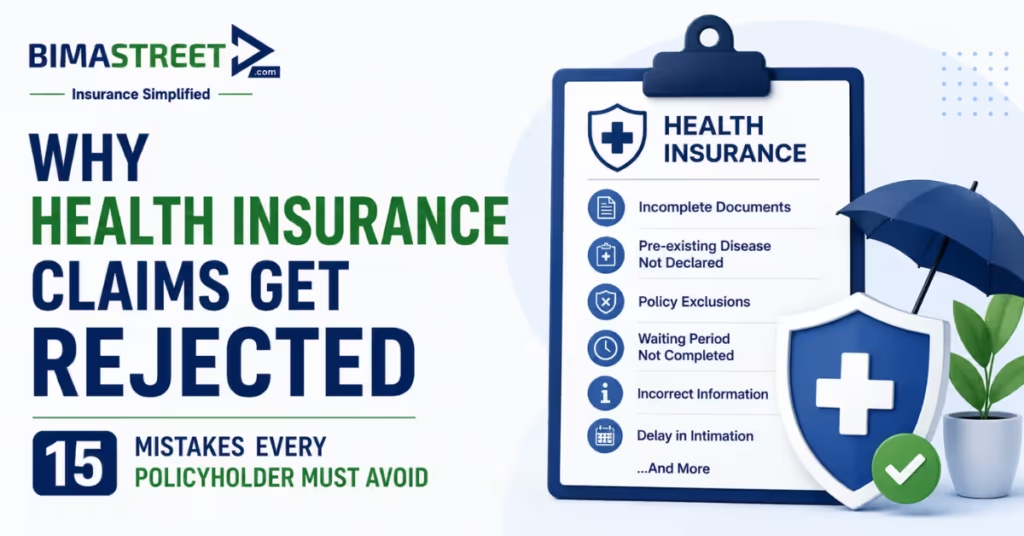
Why Health Insurance Claims Get Rejected: 15 Mistakes Every Policyholder Must Avoid

Purchasing health insurance is meant to act as a support for you and your family, especially during medical emergencies. But one of the major irritations that policyholders have to face is having their Health Insurance Claim Rejection However, claim rejection is not a case of health insurance not working in most cases. It happens because critical policy conditions were misunderstood, ignored or completely missed Fortunately, as long as you know a few things and take the time to prepare, most claim denials can be prevented. By knowing the 12 common mistakes that policyholders make you will immediately enhance your odds of a smoother claims process Let’s look at the most common reasons behind health insurance claim rejection and how to avoid them Why Do Health Insurance Claims Get Rejected? A health insurance claim is evaluated according to the policy meanings and terms. The claim might be denied or settled partially since it is not covered under the policy after all Proper knowledge about the Health claim rejection reason may assist the policyholder in making the right call during an emergency and avoid facing a shocking event   Hiding Pre-Existing Medical Conditions Non-disclosure of existing medical conditions is one of the top reasons for Health Insurance Claim Rejection Always disclose all health history, ongoing treatments and prior illnesses when purchasing a policy. Overall, being honest while purchasing a policy goes a long way in leading to an easier claim processing later. Providing Incorrect Information Even a minor error in personal information can trouble you at the time of claim assessment Always verify Name Age Contact information Medical history Lifestyle details The more accurate the information, the fewer disputes related to claims. Not Understanding Waiting Periods Most of the policyholders believe that coverage will start from day one for all types of disease they require treatment. However, most policies have waiting periods for: Pre-existing diseases Specific illnesses Maternity benefits During these waiting stages, claims may be denied Policy Lapse Due to Non-Renewal Failure to renew before the anniversary date could lead to policy expiration. The insurer may deny the claim if a policy is inactive on the day you are hospitalized. One way to avoid this mistake is by setting reminders to renew it. Treatment Not Covered Under the Policy Not every treatment is covered by every policy. Some procedures may be excluded or have specific limitations. Before hospitalization, review your policy coverage to understand what is included Claiming During the Waiting Period Also, even when a condition might be covered by the policy, claims may still be denied if they take place during the waiting period. This is why it becomes crucial to understand the new policy timelines before buying a health insurance policy Choosing a Non-Network Hospital Without Understanding the Process A majority of policyholders take for granted that every hospital may support cashless claims. However, cashless hospitalization is predominantly allowed in network hospitals. The claim settlement process is subject to whether the treatment has been taken at a non-network hospital Delayed Claim Intimation Policyholders should typically notify insurers within a certain period of time following hospitalisation. Claim notification delays are problematic. Inform the insurer or claim support team at the earliest if you can. Incomplete Documentation Another reason claims get delayed or rejected is missing documentation. Important documents may include: Hospital bills Discharge summary Medical reports Identity proof Claim forms If you maintain proper records, it will ease the process. Ignoring Policy Exclusions However, every health insurance policy includes exclusions. These are non-covered situations or treatments. A lot of claims disputes happen as policyholders assume that all medical costs are included Always review the exclusions section carefully. Claiming Non-Medical Expenses Some costs from hospitalization may not be covered. Examples can include: Administrative charges Personal comfort items Certain consumables Knowing what covered and non-covered expenses means helps to set the right mindset Not Following Treatment Guidelines At times, insurers will insist that treatment is designed to occur under certain policy terms. Failure to meet these will impact claim approvals. Always check guidelines before treatments are planned Assuming Every Hospital Expense Is Covered A policy may have limits on: Room rent Specific procedures Certain treatments By reviewing policy limits ahead of time, claims settlement can lead to misunderstandings. Depending Only on Employer Insurance The majority of employees depend solely on their company’s health insurance coverage. But that can vary when you leave a job or during retirement if you have employer-provided coverage. Personal health insurance is more stable. Not Reading the Policy Document This is the most common mistake of all. Many policyholders purchase insurance without reading the policy wording. Understanding coverage, waiting periods, exclusions, and claim procedures before an emergency can help avoid future complications What Insurance Advisors Usually Recommend So what I suggest is that experience insurance advisers will say, Declaring all medical conditions honestly Understanding waiting periods Renewing policies on time Maintaining claim-related documents Reviewing exclusions carefully Seeking clarification before purchasing That alone goes a long way in making the claim experience far more favorable. Quick Checklist to Avoid Claim Rejection Disclose medical history accurately Review waiting periods Understand policy exclusions Renew policy on time Use network hospitals whenever possible Keep medical documents safely Inform the insurer promptly Understand claim procedures Read the policy wording carefully   Conclusion Health insurance claim rejection is a nightmare, especially when you are in the middle of a medical emergency. But most claims issues could be avoided by making sure the terms of the policy are kept in mind and that common mistakes are not made Transparency at the time of policy purchase, awareness of extent of coverage, adherence to claim procedures and some diligent documentation will help you continue towards a less troublesome claim experience. At BimaStreet, we believe that informed policyholders make better insurance decisions. Understanding these common mistakes today can help you avoid claim-related challenges tomorrow and make the most of your health insurance coverage


How to Choose the Best Health Insurance Plan for Your Family in India
BimaStreet Blogs, Health insurance

How to Choose the Best Health Insurance Plan for Your Family in India (2026 Guide)

Health insurance is something that almost no families worry about until it comes to the time of a medical emergency. A surprise hospital stay, an emergency surgical procedure or sudden illness can add up to quite the financial burden if coverage has not been adequately arranged. As healthcare is getting expensive by the nature of rising costs, a suitable health insurance policy is not a choice anymore but rather an essential element of your financial planning endeavor But selecting the right Best Health Insurance Plan for Family can be a confusing task. With plenty of options available, one can easily get caught up with premium costs and miss out on effective policy features. If you are going for a family health insurance purchase, then studying a few basics would help you to make better decisions and avoid making expensive mistakes later. Why Health Insurance Matters for Families Health emergencies seldom give you a heads up. Aside from undergoing the scheduled surgery or having an accident, healthcare expenses during the time of serious illness may cause a heavy burden on every family budget A family health insurance plan helps you: Manage hospitalization expenses Access quality medical care without financial stress Protect your savings during emergencies Avail cashless treatment at network hospitals Cover multiple family members under a single policy Health insurance is not just to pay for medical bills. To be able to contribute some monetary support, when your family needs you the most.   Choose the Right Coverage Amount One of the most common mistakes that people usually make is choosing a low sum insured only to bring down the premium. Particularly a failed amount of coverage may appear to be appealing, but it can become a regret in the event of significant medical crises. Various treatments in private hospitals can cost a few lakh rupees easily Recommended Coverage Based on Family Type As a general guideline: The ideal amount to cover will vary from one person to the next based on family size, age, medical records history, lifestyle and history location Look Beyond the Premium Most buyers make the mistake of comparing policies based only on premium. Affordability is an important factor, but it should never be the only reason. Sometimes a policy with a slightly higher premium might offer much better cover and fewer restrictions What Should You Compare Besides Premium? Sum insured Waiting periods Room rent limits Co-payment clauses Network hospitals Claim support process Additional benefits and riders A best health insurance plan is one which gives right value compared to protection.   Understand What the Policy Covers There is no single answer to insurance coverage. Carefully examine the benefits covered under a policy before buying it Key Benefits to Check Before Buying Hospitalization expenses Pre and post-hospitalization costs Day-care procedures Ambulance charges Critical illness benefits Organ donor expenses Domiciliary treatment More extensive coverage might be helpful in case of sudden medical problems. Don’t Ignore Waiting Periods Waiting is sometimes forgotten in the purchase process but represents a key element of coverage when it comes to denials. A waiting period is the time during which certain illnesses, treatments or pre-existing conditions may not be covered under the policy. Before buying a plan check Common Types of Waiting Periods Initial waiting period Pre-existing disease waiting period Specific illness waiting period Maternity waiting period Gaining clarity of these conditions ahead of time can prevent mistakes or surprises when making a claim down the road Check the Hospital Network Health insurance, one of its biggest perks, is cashless treatment. But it also comes with a caveat based on whether your hospital of choice is in the insurer’s network. Before finalizing a policy verify: Number of network hospitals Availability of hospitals in your city Access to multi-speciality hospitals Emergency treatment facilities A solid, trustworthy hospital network could turn the claims process into something less anxious during crises. Common Mistakes Families Make It is not until they require its use that many policyholders come to understand their error. Some common mistakes include: Choosing a policy based only on premium Ignoring waiting periods Not checking policy exclusions Selecting inadequate coverage Overlooking network hospitals Depending only on employer-provided health insurance These are errors you can avoid and thus have a policy with greater long-term value and protection Quick Checklist Before Buying Health Insurance Take a look at the following before finalizing your choice: Adequate coverage amount Coverage benefits Waiting periods Network hospitals Policy exclusions Claim process Premium affordability Additional riders and benefits Additional research today can lead to a more educated decision Conclusion The cheapest policy is not necessarily the best plan for your family in terms of health insurance. It is about choosing a plan that fits the care needs of your family and protects you from financial loss in case of unforeseen medical emergencies Carefully analyse the features of different plans, determine what you need and make an informed choice The right health insurance policy will safeguard your savings, alleviate financial stress, and assure your future security At BimaStreet, we believe informed decisions lead to better protection. Understanding your options today can help you secure a healthier and more financially confident tomorrow

Contact Details

Support mail:

care@bimastreet.com

Claim mail:

claim@bimastreet.com

For Other Query:

info@bimastreet.com

Phone Number:

(+91)9391009482/84/89

BIMASTREET is the online insurance platform of Amaze insurance brokers pvt ltd

Corporate Office :- #403, THE LEGEND, Metro Pillar C1338, Motilal Nehru Nagar, Begumpet, Hyderabad – 500016

Regd Office: – Ground Floor, Villa No.10, Richmond Villas, Near Glendale International School, Hydershakote, Hyderabad-500086.

Website Approved By IRDAI(Govt. of india)
ISNP Ref: IRDAI/INT/ISNP/2021/79
IRDA License Number: 549
Licensed on: 24/02/2025
Valid Upto: 23/02/2028

Disclaimer: Disclaimer: Insurance is the subject matter of solicitation. Visitors are hereby informed that their information submitted on the website may be shared with insurers. The product information for comparison displayed on this website is of the insurers with whom our company has an agreement. Product information is authentic and solely based on the information received from the Insurer. The information provided on this website/page is for information purpose only. Bimastreet.com does not in any form or manner endorse the information so provided on the website and strives to provide factual and unbiased information to customers to assist in making informed insurance choices.

Scroll to Top