

Author name: Venkat

How to Compare Health Insurance Plans Like an Insurance Expert
BimaStreet Blogs, Health insurance

How to Compare Health Insurance Plans Like an Insurance Expert

If you’ve ever shopped for health insurance online, you’ve likely seen for yourself how on the surface many plans look the same. They all offer coverage, cashless treatment and financial safeguarding. However when the time for the final decision arrives they are still confused The reason is simple. Most people simply compare policies on the basis of how much premium and sum is assured. Insurance experts don’t Why Experienced Advisors Look Beyond the Marketing Hype They assess a policy’s performance in crisis, its ability to support families through claims, and whether prevents you out of wanting basic healthcare later down the line If you’re trying to compare health insurance plans, here’s how insurance experts approach the process Why Comparing Health Insurance Plans Is More Than Comparing Prices Most buyers think that comparing health insurance Plans the same way as mobile plans or online subscriptions. Prepare your price shoppers can do better than premiums. That is not how health insurance works. Something that might appear cheap now would suddenly leave you with a hefty bill in case of a serious admission. In a like manner, for comparatively larger premium, you may get much better protection, relief and flexibility at the very instance when you truly will go in need of medical aid Insurance advisers know an insurance comparison is not just the cheapest policy. It is about what policy fit best Start With Your Family’s Risk Profile Unlike how insurance advisors compare a policy based on the coverage, they first concentrate on the people who will be covered. Understand Your Family’s Healthcare Needs A young professional, a family with kids and a household of elderly people will all have different health needs Before comparing plans, ask: How many family members need coverage? Are there senior citizens in the family? Does anyone have existing medical conditions? Are maternity benefits important? Do you frequently use private hospitals? These answers guide the policy evaluation process making them serious options and others should be discarded right away Compare Policies Based on Suitability A lot of people compare policies over and above. Experts benchmark policies against family’s needs The best plan for one person could be the worst for another, and they definitely won’t have the same situation as you Compare the Worst-Case Scenario, Not the Premium The major difference between buyers and insurance advisors is in the way they evaluate risk. Ask the Right Question Most buyers ask: Which policy costs less Insurance experts ask Which, if a ₹10 lakh hospitalization takes place the next day, will ensure this family gets better coverage?” This question alone alters the entire comparison process Look for Hidden Limitations Here are key factors to watch when comparing policies Room rent restrictions Co-payment requirements Disease-specific limits Waiting periods Coverage caps These particulars usually influence more than the premium itself. This means that a policy looks cheaper but at the time of claim may end up costing more.   Look Beyond the Benefits Page Insurance companies love to show on their websites, but seasoned advisors will delve a step further.. Review What Is Not Covered Every policy contains exclusions. These exclusions could be ones that pertain to treatments, conditions or situations that you care about as a family. Before choosing a policy, review: Permanent exclusions Waiting period exclusions Non-medical expenses Specific treatment limitations Realising that what does not cover can be as important as what it covers. Check Hospital Access Enhanced access to cashless treatment with a robust hospital network list. When comparing plans, verify Hospitals near your home Multi-speciality facilities Emergency treatment access Cashless claim availability And this is a step which buyers typically forget about. Compare Claim Experience and Support A policy is only worth a dime when you have to draw on it Claims Matter More Than Advertisements Most buyers go through hours comparing premiums but spend negligible seconds in understanding how the claim process works Insurance experts evaluate: Cashless claim support Reimbursement process Customer service responsiveness Documentation requirements Claim assistance availability A seamless claim experience minimizes stress in times of need like when you’re stranded Know Who Will Support You A question most buyers fail to ask is “If I have a claim issue, who helps?” In these hard times, good expert guidance can make all the difference Evaluate Long-Term Value Health insurance is not a one-year purchase. It is a long-term financial protection tool. When comparing plans, think beyond today’s premium. Consider Future healthcare needs Coverage flexibility Lifetime renewability Family growth Medical inflation The best policy is one that continues to support your family as your healthcare needs change over time.   Common Comparison Mistakes The following mistakes are made by many buyers Comparing only premium costs Ignoring exclusions Overlooking waiting periods Choosing based on advertisements Not reviewing claim support Focusing only on current needs These kinds of mistakes can help you to make an informed decision Insurance Expert Comparison Checklist Make sure to look at the following before you pick any health insurance policy: Family healthcare needs Coverage suitability Waiting periods Hospital network Policy exclusions Claim process Claim support availability Long-term value Premium affordability Conclusion In addition to that you will not learn how to compare health insurance plans because it’s not about getting the lowest cost plan. It is knowing which policy is the best coverage for your family. Premiums aside, insurance experts look at suitability, claim experience, access to hospitals, value for money and hidden limitations. With the same method, you end up making a more confident and informed decision At BimaStreet, we believe that better comparisons lead to better protection Taking the time to evaluate policies properly today can help you avoid costly surprises and make smarter healthcare decisions in the future
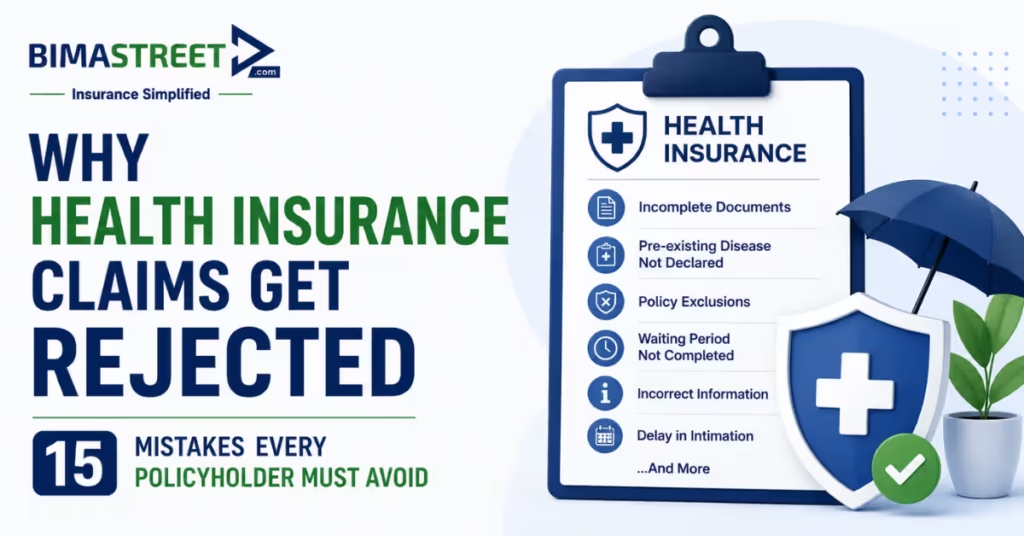
Why Health Insurance Claims Get Rejected 15 Mistakes Every Policyholder Must Avoid - Health Insurance Claim Rejection
BimaStreet Blogs, Health insurance

Why Health Insurance Claims Get Rejected: 15 Mistakes Every Policyholder Must Avoid

Purchasing health insurance is meant to act as a support for you and your family, especially during medical emergencies. But one of the major irritations that policyholders have to face is having their Health Insurance Claim Rejection However, claim rejection is not a case of health insurance not working in most cases. It happens because critical policy conditions were misunderstood, ignored or completely missed Fortunately, as long as you know a few things and take the time to prepare, most claim denials can be prevented. By knowing the 12 common mistakes that policyholders make you will immediately enhance your odds of a smoother claims process Let’s look at the most common reasons behind health insurance claim rejection and how to avoid them Why Do Health Insurance Claims Get Rejected? A health insurance claim is evaluated according to the policy meanings and terms. The claim might be denied or settled partially since it is not covered under the policy after all Proper knowledge about the Health claim rejection reason may assist the policyholder in making the right call during an emergency and avoid facing a shocking event   Hiding Pre-Existing Medical Conditions Non-disclosure of existing medical conditions is one of the top reasons for Health Insurance Claim Rejection Always disclose all health history, ongoing treatments and prior illnesses when purchasing a policy. Overall, being honest while purchasing a policy goes a long way in leading to an easier claim processing later. Providing Incorrect Information Even a minor error in personal information can trouble you at the time of claim assessment Always verify Name Age Contact information Medical history Lifestyle details The more accurate the information, the fewer disputes related to claims. Not Understanding Waiting Periods Most of the policyholders believe that coverage will start from day one for all types of disease they require treatment. However, most policies have waiting periods for: Pre-existing diseases Specific illnesses Maternity benefits During these waiting stages, claims may be denied Policy Lapse Due to Non-Renewal Failure to renew before the anniversary date could lead to policy expiration. The insurer may deny the claim if a policy is inactive on the day you are hospitalized. One way to avoid this mistake is by setting reminders to renew it. Treatment Not Covered Under the Policy Not every treatment is covered by every policy. Some procedures may be excluded or have specific limitations. Before hospitalization, review your policy coverage to understand what is included Claiming During the Waiting Period Also, even when a condition might be covered by the policy, claims may still be denied if they take place during the waiting period. This is why it becomes crucial to understand the new policy timelines before buying a health insurance policy Choosing a Non-Network Hospital Without Understanding the Process A majority of policyholders take for granted that every hospital may support cashless claims. However, cashless hospitalization is predominantly allowed in network hospitals. The claim settlement process is subject to whether the treatment has been taken at a non-network hospital Delayed Claim Intimation Policyholders should typically notify insurers within a certain period of time following hospitalisation. Claim notification delays are problematic. Inform the insurer or claim support team at the earliest if you can. Incomplete Documentation Another reason claims get delayed or rejected is missing documentation. Important documents may include: Hospital bills Discharge summary Medical reports Identity proof Claim forms If you maintain proper records, it will ease the process. Ignoring Policy Exclusions However, every health insurance policy includes exclusions. These are non-covered situations or treatments. A lot of claims disputes happen as policyholders assume that all medical costs are included Always review the exclusions section carefully. Claiming Non-Medical Expenses Some costs from hospitalization may not be covered. Examples can include: Administrative charges Personal comfort items Certain consumables Knowing what covered and non-covered expenses means helps to set the right mindset Not Following Treatment Guidelines At times, insurers will insist that treatment is designed to occur under certain policy terms. Failure to meet these will impact claim approvals. Always check guidelines before treatments are planned Assuming Every Hospital Expense Is Covered A policy may have limits on: Room rent Specific procedures Certain treatments By reviewing policy limits ahead of time, claims settlement can lead to misunderstandings. Depending Only on Employer Insurance The majority of employees depend solely on their company’s health insurance coverage. But that can vary when you leave a job or during retirement if you have employer-provided coverage. Personal health insurance is more stable. Not Reading the Policy Document This is the most common mistake of all. Many policyholders purchase insurance without reading the policy wording. Understanding coverage, waiting periods, exclusions, and claim procedures before an emergency can help avoid future complications What Insurance Advisors Usually Recommend So what I suggest is that experience insurance advisers will say, Declaring all medical conditions honestly Understanding waiting periods Renewing policies on time Maintaining claim-related documents Reviewing exclusions carefully Seeking clarification before purchasing That alone goes a long way in making the claim experience far more favorable. Quick Checklist to Avoid Claim Rejection Disclose medical history accurately Review waiting periods Understand policy exclusions Renew policy on time Use network hospitals whenever possible Keep medical documents safely Inform the insurer promptly Understand claim procedures Read the policy wording carefully   Conclusion Health insurance claim rejection is a nightmare, especially when you are in the middle of a medical emergency. But most claims issues could be avoided by making sure the terms of the policy are kept in mind and that common mistakes are not made Transparency at the time of policy purchase, awareness of extent of coverage, adherence to claim procedures and some diligent documentation will help you continue towards a less troublesome claim experience. At BimaStreet, we believe that informed policyholders make better insurance decisions. Understanding these common mistakes today can help you avoid claim-related challenges tomorrow and make the most of your health insurance coverage

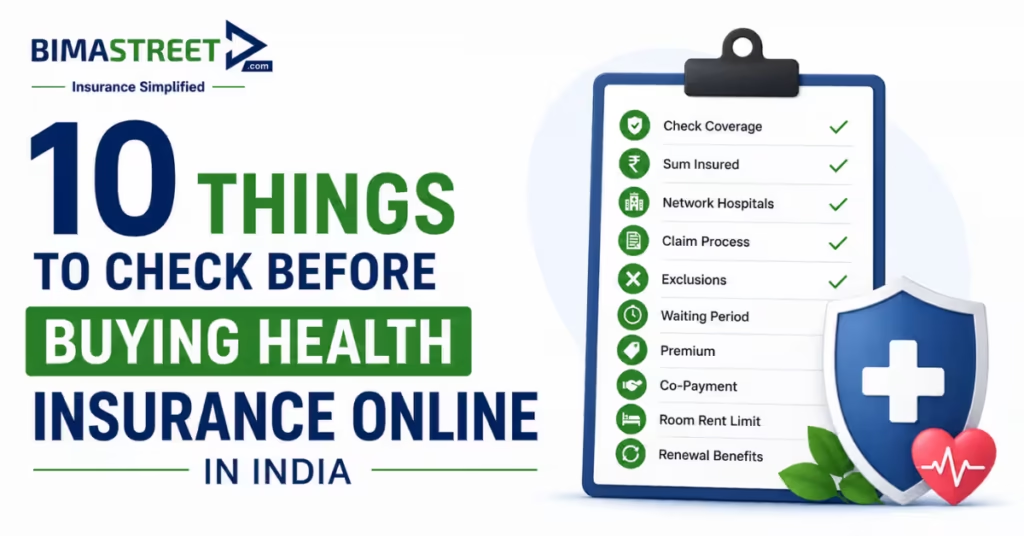
10 Things to Check Before Buying Health Insurance Online in India - Buying Health Insurance Online
BimaStreet Blogs, Health insurance

10 Things to Check Before Buying Health Insurance Online in India

Online health insurance buying has made this even faster and easier at a time when you can compare plans, check premiums and buy policies within minutes. But convenience may sometimes incentivize hasty decisions A lot of people go ahead with a policy after considering only the premium or few highlight benefits from advertisements. It is only when they go to make a claim that they kick themselves for not reading the small print. It’s worth taking a few extra minutes to review some important information that may lead to you having a much better insurance experience before clicking the “Buy Now” button. Here are 10 important things to check before buying health insurance online in India. Check Whether the Insurer Is Registered The first thing you should check is whether the insurance company is listed and registered under Government  It is impossible to buy a policy without the supervision of an insurer. The insurer is obliged to abide by conventions and guidelines operating in the insurance industry, therefore ensuring consumers with recourse under the law as well as grievance support against bad practices and malpractices Most credible insurers will have their registration details in a clear position on their website. Understand Why You Need Health Insurance Know your Healthcare needs before comparing health plans A young professional will probably require a different policy than someone with kids or senior citizens. Consider Family size Existing medical conditions Age of family members Future healthcare needs Maternity requirements When you know what you want, it makes comparing policies way easier. Verify All Personal and Medical Details Most of the claim-related issues occur because incorrect data was given at the time of buying a policy. While buying health insurance online, ensure that: Name is correct Date of birth is accurate Contact details are updated Existing illnesses are disclosed Previous medical history is declared honestly Accurate information avoids complications during claim settlement Read the Policy Brochure Carefully Most buyers skip this step The policy brochure contains important information about: Coverage Benefits Exclusions Waiting periods Claim conditions Add-Ons A little time with the brochure and you’ll know exactly what you’re getting Check Waiting Periods Waiting Period Certain diseases or treatments are not covered during the waiting period Various policies have various waiting periods. Before purchasing, review: Initial waiting period Pre-existing disease waiting period Specific illness waiting period Maternity waiting period This is important to note as it provides a sense of when we can expect this information and what the future coverage will look like   Don’t Judge a Policy by Premium Alone One of the accent errors made by online buyers is opting for the cheapest policy. Lower premiums do not necessarily translate to better value. The right policy should balance affordability and protection. Review the Claim Process Buying a policy is easy. It’s what making a claim is all about Before selecting a plan, understand: How cashless claims work Reimbursement process Required documents Customer support availability A simple claims process can help alleviate the burden of a medical event. Understand Policy Exclusions Every health insurance policy contains exclusions. These are now situations or treatments you might not be included on Common exclusions can include Cosmetic procedures Experimental treatments Self-inflicted injuries Certain non-medical expenses The exclusions section is what will save you from surprises down the road. Compare Similar Plans Correctly Most people, however, compare the policies on premium alone. But not reviewing the benefits of both plans, two can lead to false conclusions When comparing policies, review: Sum insured Waiting periods Claim support Hospital network Coverage features Additional benefits A proper comparison helps identify the policy that offers better overall value Know Who Will Support You During a Claim You do not just buy a health insurance policy. It is also about getting the help you require The insurance policy holders rarely think about claim assistance until there is a need for medical treatment. Before buying online, ask: Who will guide me during a claim? Is claim support available? Can I get help understanding policy terms? Access to specialized advice can ease the insurance process Common Online Buying Mistakes Some common mistakes first-time buyers make include: Purchasing a policy in a hurry Choosing the lowest premium without comparison Not declaring existing medical conditions Ignoring policy exclusions Skipping the policy brochure Not understanding waiting periods It allows you to make a better-infringed decision if these mistakes are avoided Quick Verification Checklist Before You Buy Insurer is registered Personal details are correct Medical history is disclosed Waiting periods reviewed Exclusions understood Claim process checked Coverage amount is sufficient Policy brochure reviewed Support is available when needed   Conclusion While buying health insurance online saves time and gives you multiple options to compare, it should never be a hurried decision. Taking a few more minutes today to review policy details can keep people from becoming confused or experiencing financial stress later. Be sure to know what the plan covers, any waiting periods, exclusions and how claims work before buying any policy. The goal is not just to buy health insurance online but to choose a policy that genuinely protects you and your family when it matters most At BimaStreet, we believe informed decisions lead to better protection. Understanding what to check before buying a policy can help you make a confident and well-informed choice

How to Choose the Best Health Insurance Plan for Your Family in India
BimaStreet Blogs, Health insurance

How to Choose the Best Health Insurance Plan for Your Family in India (2026 Guide)

Health insurance is something that almost no families worry about until it comes to the time of a medical emergency. A surprise hospital stay, an emergency surgical procedure or sudden illness can add up to quite the financial burden if coverage has not been adequately arranged. As healthcare is getting expensive by the nature of rising costs, a suitable health insurance policy is not a choice anymore but rather an essential element of your financial planning endeavor But selecting the right Best Health Insurance Plan for Family can be a confusing task. With plenty of options available, one can easily get caught up with premium costs and miss out on effective policy features. If you are going for a family health insurance purchase, then studying a few basics would help you to make better decisions and avoid making expensive mistakes later. Why Health Insurance Matters for Families Health emergencies seldom give you a heads up. Aside from undergoing the scheduled surgery or having an accident, healthcare expenses during the time of serious illness may cause a heavy burden on every family budget A family health insurance plan helps you: Manage hospitalization expenses Access quality medical care without financial stress Protect your savings during emergencies Avail cashless treatment at network hospitals Cover multiple family members under a single policy Health insurance is not just to pay for medical bills. To be able to contribute some monetary support, when your family needs you the most.   Choose the Right Coverage Amount One of the most common mistakes that people usually make is choosing a low sum insured only to bring down the premium. Particularly a failed amount of coverage may appear to be appealing, but it can become a regret in the event of significant medical crises. Various treatments in private hospitals can cost a few lakh rupees easily Recommended Coverage Based on Family Type As a general guideline: The ideal amount to cover will vary from one person to the next based on family size, age, medical records history, lifestyle and history location Look Beyond the Premium Most buyers make the mistake of comparing policies based only on premium. Affordability is an important factor, but it should never be the only reason. Sometimes a policy with a slightly higher premium might offer much better cover and fewer restrictions What Should You Compare Besides Premium? Sum insured Waiting periods Room rent limits Co-payment clauses Network hospitals Claim support process Additional benefits and riders A best health insurance plan is one which gives right value compared to protection.   Understand What the Policy Covers There is no single answer to insurance coverage. Carefully examine the benefits covered under a policy before buying it Key Benefits to Check Before Buying Hospitalization expenses Pre and post-hospitalization costs Day-care procedures Ambulance charges Critical illness benefits Organ donor expenses Domiciliary treatment More extensive coverage might be helpful in case of sudden medical problems. Don’t Ignore Waiting Periods Waiting is sometimes forgotten in the purchase process but represents a key element of coverage when it comes to denials. A waiting period is the time during which certain illnesses, treatments or pre-existing conditions may not be covered under the policy. Before buying a plan check Common Types of Waiting Periods Initial waiting period Pre-existing disease waiting period Specific illness waiting period Maternity waiting period Gaining clarity of these conditions ahead of time can prevent mistakes or surprises when making a claim down the road Check the Hospital Network Health insurance, one of its biggest perks, is cashless treatment. But it also comes with a caveat based on whether your hospital of choice is in the insurer’s network. Before finalizing a policy verify: Number of network hospitals Availability of hospitals in your city Access to multi-speciality hospitals Emergency treatment facilities A solid, trustworthy hospital network could turn the claims process into something less anxious during crises. Common Mistakes Families Make It is not until they require its use that many policyholders come to understand their error. Some common mistakes include: Choosing a policy based only on premium Ignoring waiting periods Not checking policy exclusions Selecting inadequate coverage Overlooking network hospitals Depending only on employer-provided health insurance These are errors you can avoid and thus have a policy with greater long-term value and protection Quick Checklist Before Buying Health Insurance Take a look at the following before finalizing your choice: Adequate coverage amount Coverage benefits Waiting periods Network hospitals Policy exclusions Claim process Premium affordability Additional riders and benefits Additional research today can lead to a more educated decision Conclusion The cheapest policy is not necessarily the best plan for your family in terms of health insurance. It is about choosing a plan that fits the care needs of your family and protects you from financial loss in case of unforeseen medical emergencies Carefully analyse the features of different plans, determine what you need and make an informed choice The right health insurance policy will safeguard your savings, alleviate financial stress, and assure your future security At BimaStreet, we believe informed decisions lead to better protection. Understanding your options today can help you secure a healthier and more financially confident tomorrow

Contact Details

Support mail:

care@bimastreet.com

Claim mail:

claim@bimastreet.com

For Other Query:

info@bimastreet.com

Phone Number:

(+91)9391009482/84/89

BIMASTREET is the online insurance platform of Amaze insurance brokers pvt ltd

Corporate Office :- #403, THE LEGEND, Metro Pillar C1338, Motilal Nehru Nagar, Begumpet, Hyderabad – 500016

Regd Office: – Ground Floor, Villa No.10, Richmond Villas, Near Glendale International School, Hydershakote, Hyderabad-500086.

Website Approved By IRDAI(Govt. of india)
ISNP Ref: IRDAI/INT/ISNP/2021/79
IRDA License Number: 549
Licensed on: 24/02/2025
Valid Upto: 23/02/2028

Disclaimer: Disclaimer: Insurance is the subject matter of solicitation. Visitors are hereby informed that their information submitted on the website may be shared with insurers. The product information for comparison displayed on this website is of the insurers with whom our company has an agreement. Product information is authentic and solely based on the information received from the Insurer. The information provided on this website/page is for information purpose only. Bimastreet.com does not in any form or manner endorse the information so provided on the website and strives to provide factual and unbiased information to customers to assist in making informed insurance choices.

Scroll to Top