Personal Finance

The Complete Health Insurance Buying Checklist for First-Time Buyers
BimaStreet Blogs, Health insurance

The Complete Health Insurance Buying Checklist for First Time Buyers

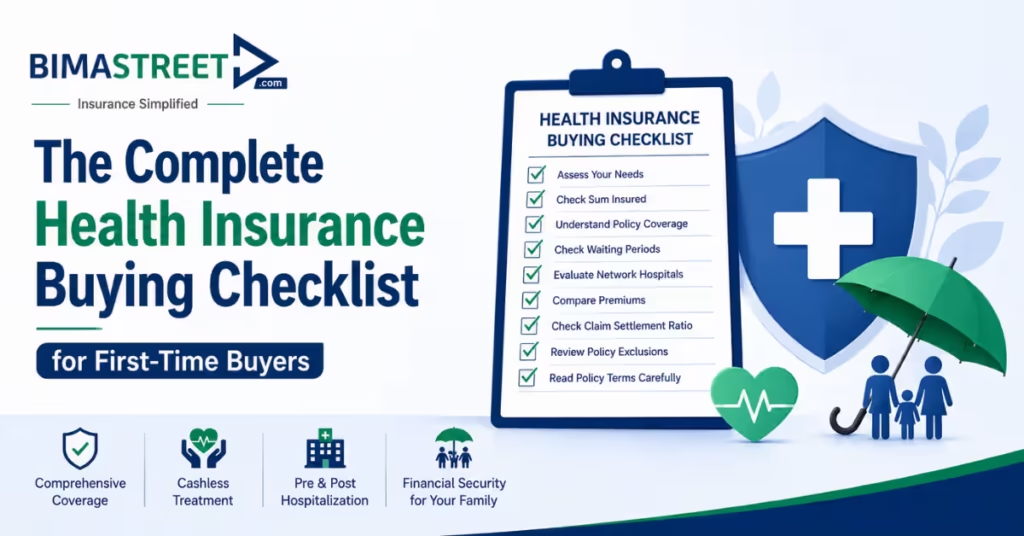
Health insurance for beginners Age of purchasing health insurance Fueled by so many insurers, the types of policies, coverage options, and technical terms involved in insurance policy making, it would not be difficult to decide only based on price here. The reality is that if the health insurance policy you choose is wrong, it could leave you underinsured when you really need financial protection Hence, all first-time buyers must stick to an appropriate Insurance Buying Checklist before they buy a policy. A checklist assists you in comparing policies, understanding key features of different plans identifying common mistakes consumers make, and selecting coverage while taking your healthcare needs and financial situation into account This guide will let you walk through the complete Insurance Buying Checklist, to help you choose the right health insurance policy for yourself and your family Why Do You Need an Insurance Buying Checklist? Make an Informed Decision Health insurance is a financial commitment spanning many years. Compare Important Features If you go for a policy without comparing the important feature then, in times of medical emergencies, you may have to pay out-of-pocket A proper Insurance Buying Checklist helps you Compare different health insurance plans Compare different health insurance plans. Understand policy benefits. Avoid hidden charges. Select adequate coverage. Improve claim experience. Protect your family’s financial future. Being informed today can save you significant expenses tomorrow. Checklist #1 Assess Your Healthcare Needs Start with Your Family’s Requirements Before comparing policies, evaluate Your age. Family size. Existing medical conditions. Lifestyle. Annual healthcare expenses. Future medical needs Selecting a policy tailored according to the healthcare needs of the insured improves their immunity. Checklist #2 Choose the Right Sum Insured Don’t Settle for Low Coverage Every year medical expenses are going up and you need to be sure that sufficient coverage is there Consider Hospitalisation cost in your city Family medical history. Inflation in healthcare expenses. Existing financial responsibilities Higher sum assured helps cover unforeseen healthcare expenses Checklist #3 Compare Waiting Periods Know When Coverage Begins Various insurers typically have various waiting periods for. Pre-existing diseases. Specific illnesses. Maternity benefits. Certain surgeries. Having a shorter waiting period, if you or a family member has any existing health conditions, can also be useful Checklist #4 Check Network Hospitals Cashless Treatment Matters A house of multiple hospitals provides more convenience for emergency situations Look for insurers that provide Cashless hospitalization. Reputed hospitals near your home. Easy claim processing. 24×7 customer assistance Always check to see if your hospitals of choice are in the insurer’s network Checklist #5 Understand What’s Covered Read the Coverage Carefully Well, a complete health insurance policy must entail the following: Hospitalization expenses. Pre and post-hospitalization costs. Day-care procedures. Ambulance charges. ICU expenses. Diagnostic tests. Cashless treatment. Annual health check-ups Do not look at the premium alone evaluate policy features thoroughly Checklist #6 Review Policy Exclusions Know What Isn’t Covered There are exclusions under every health insurance policy. Common exclusions may include: Cosmetic treatments. Self-inflicted injuries. Experimental procedures. Non-medical expenses. Treatments during waiting periods Some exclusions in your insurance policy are common sense, but seeing them in print can prevent surprises when you actually need to file a claim Checklist #7 Check the Claim Settlement Ratio Choose a Reliable Insurer The claim settlement ratio simply measures the percentage of claims that is settled by an insurer in a financial year. While not the only determinant, looking up claim settlement records gives a sense of how dependable the insurer is Also evaluate: Customer reviews. Claim process. Turnaround time. Customer support quality Checklist #8 Compare Premiums Wisely Don’t Buy Based Only on Price Cheapest is not always the best policy. Instead, compare Coverage benefits. Sum insured. Waiting periods. Hospital network. Co-payment clauses. Room rent limits Paying a little extra premium could offer so much more financial security Checklist #9 Disclose Your Medical History Honestly Transparency Prevents Claim Rejection Always disclose Existing illnesses. Previous surgeries. Ongoing treatments. Current medications. Family medical history (where required). It reduces the risk of claim rejection in the future, with honest disclosure Checklist #10 Read the Policy Documents Carefully Don’t Skip the Fine Print Carefully review before you buy your policy Policy terms. Waiting periods. Exclusions. Claim procedure. Renewal conditions. Cancellation policy Full policy knowledge can help you make informed decisions during medical emergencies. Common Mistakes First-Time Buyers Should Avoid Learn Before You Buy Avoid these common mistakes Buying insurance too late. Choosing insufficient coverage. Ignoring waiting periods. Selecting the cheapest policy without comparison. Not checking network hospitals. Hiding pre-existing diseases. Forgetting policy renewals These errors can deflate the power of your policy, just when you want it most Frequently Asked Questions What is the most important item in an Insurance Buying Checklist? The sum insured, the coverage under the policy chosen, waiting periods and selection of an insurer are some of the most crucial factors Should first-time buyers purchase family floater or individual health insurance? It depends on how big your family is, how young or old you are and what kind of health care you will need. Family floater plans are often beneficial for young families as opposed to senior citizens who will require individual policies Is buying health insurance at a younger age beneficial? Yes. It is well known that buying early remains to be a much cheaper option in terms of the premiums paid, an easier approval of policy and more often than not, having waiting periods completed before there are big health concerns Conclusion Buying health insurance for the first time is an important financial decision that should be planned ahead of time. Insurance Buying Checklist helps you compare policies correctly, know the key features of each plan, and identify costly mistakes while purchasing a policy Choose a policy not solely on the basis of premium, rather assess things like sum insured, waiting periods, hospital network, exclusions, claim settlement history and coverage as a whole Make a wise choice now and ensure your family is either preserved from unwanted health woes whilst
Health Insurance Myths That Could Cost You Lakhs During a Medical Emergency
BimaStreet Blogs, Health insurance

Health Insurance Myths That Could Cost You Lakhs During a Medical Emergency

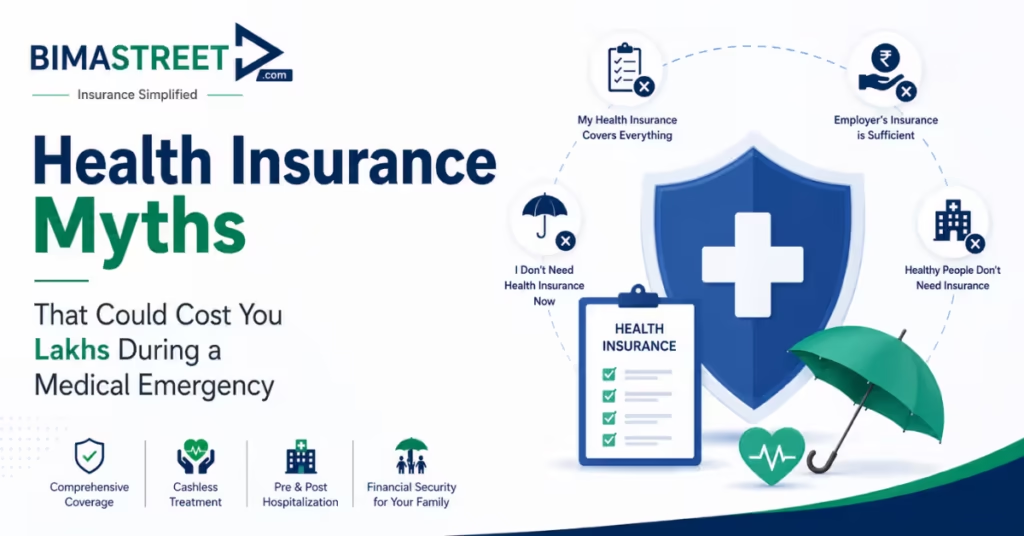
Health insurance is a financial safety net for individuals and families. Medical costs in India increase every year hence, a comprehensive health insurance policy protects your savings against sudden hospitalizations and unexpected medical emergencies But many end up either delaying the purchase of health insurance or buying an inappropriate one due to common misconceptions out there These Health Insurance Myths can result in claim rejection, insufficient cover or high out-of-pocket payments at the time of medical emergencies In this guideline we will discuss about the commonest Health Insurance Myths, explain their myths and facts and allow you to make smarter insurance decisions Why Understanding Health Insurance Myths Is Important Myths Can Lead to Costly Mistakes Most buyers refrain from reading their policy documents and instead rely on hearsay, social media posts or records that haven’t been updated in years This can result in: Choosing inadequate coverage. Missing important policy benefits. Facing claim delays. Paying unnecessary medical expenses. Financial stress during hospitalization. And knowing the facts means that you’ll choose the policy for your situations and never be caught off guard Myth #1 I’m Young, So I Don’t Need Health Insurance Fact: Medical Emergencies Can Happen at Any Age Numerous adults feel that health insurance is for the ones who are 40 or 50 years old. But as we know, accidents, infections, surgery and sudden illnesses happen at any age.  Purchasing health coverage early means lower premiums and helps you fulfil waiting periods before significant illnesses occur Myth #2 My Employer’s Health Insurance Is Enough Fact: Employer Coverage May Not Be Sufficient It is good that you have corporate health insurance but it is not enough for a long duration Employer-sponsored policies can: End when you change jobs. Offer limited coverage. Exclude certain treatments. Provide insufficient sum insured for your family An individual health insurance policy offers extra financial safety Myth #3 Every Medical Expense Is Covered Immediately Fact: Waiting Periods Apply you have seen the one of the biggest Health Insurance myths which is every treatment is covered from day One Most policies include waiting periods for: Pre-existing diseases. Specific illnesses. Maternity benefits. Certain surgeries Before buying coverage, always specify the waiting period for your policy. Myth #4 Cashless Means Everything Is Free Fact: Only Eligible Expenses Are Covered What is cashless hospitalization? Cashless hospitalization in India facilitates that your insurer pays for eligible hospital bills at network hospitals However, you need to pay for Non-medical expenses. Deductibles. Co-payments. Treatments excluded under the policy. When you read your policy carefully, this is to avoid the unpleasant surprises of extra costs. Myth #5 Health Insurance Covers Every Disease Fact: Policies Have Exclusions Every health insurance plan comes with exclusions Common exclusions may include Cosmetic procedures. Experimental treatments. Self-inflicted injuries. Certain non-medical expenses. Treatments during applicable waiting periods Being aware of these exclusions helps you avoid disappointment at the time of claim settlement. Myth #6 Buying the Cheapest Policy Saves Money Fact: Low Premium Doesn’t Always Mean Better Value Most of the buyers opt for the least premium without checking the policy features Instead, compare: Sum insured. Network hospitals. Waiting periods. Claim settlement record. Coverage benefits. Room rent limits. Co-payment clauses For just a little bit more premium you could have much better protection Myth #7 You Don’t Need to Disclose Existing Diseases Fact: Honest Disclosure Is Essential These pre-existing diseases are sometimes suppressed by applicants to prevent the premium This can result in: Claim rejection. Policy cancellation. Delayed claim settlement When buying health insurance, you must never miss your full medical history Myth #8 Claim Settlement Ratio Is the Only Thing That Matters Fact: Consider Multiple Factors While you can prioritize a large claim settlement ratio, it should not be your only deciding factor. Also evaluate: Customer service. Network hospitals. Claim process. Coverage benefits. Waiting periods. Policy exclusions A well-rounded policy will give you the best of both worlds. Tips to Choose the Right Health Insurance Policy Make an Informed Decision Before buying health insurance Compare multiple insurers. Read the policy wording carefully. Choose adequate coverage. Understand waiting periods. Check network hospitals. Review exclusions. Renew your policy on time Staying informed helps you get the maximum benefit from your policy Frequently Asked Questions Can young people benefit from health insurance? Yes. Early purchasing of health insurance typically translates to lower premium, better range and waiting periods completed prior to the onset of any major health problems. Is cashless treatment available at every hospital? Take the scenario that no. Cashless hospitalization is almost never available in a hospital outside your insurer’s network Can claims be rejected if I hide my medical history? Yes. One needs to ensure that none of the pre-existing diseases are withheld or information provided in this regard is wrong, as this can lead to rejection of claims or cancellation of policy Conclusion Believing common Health Insurance Myths can leave you financially vulnerable when medical emergencies occur. Whether it’s assuming employer insurance is enough, choosing a policy based only on premium, or misunderstanding waiting periods, these misconceptions can result in significant financial losses. Know your policy well, compare policies and their coverage with lots of care, honesty in disclosing your medical history is the only mantra in saving yourself and choosing a plan that fits you and your family So, remember the right decision today will not only save you lakhs of rupees but also come with a peace of mind when you need it the most At BimaStreet, we believe that the right guidance is just as important as the right policy. When you understand what insurance advisors look for before recommending a plan, you’re in a much better position to choose health insurance that protects your family today and in the years ahead

Cashless Health Insurance Explained How It Works During Medical Emergencies
BimaStreet Blogs, Health insurance

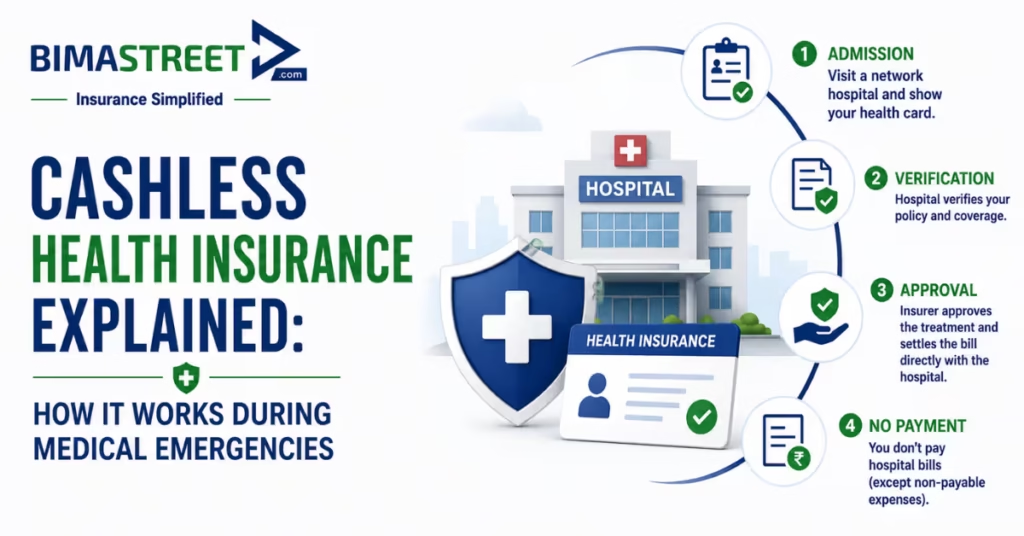
Cashless Health Insurance Explained: How It Works During Medical Emergencies

Emergency medical conditions tend to knock at the door uninvited, with emotional tension and financial unpredictability Be it an urgent accident, heart failure or emergency surgery, at times arranging finances within a very short span of time can be stressful. This is where Cashless Health Insurance comes in as a savior. Cashless health insurance is when a policyholder visits a hospital that has been included in the cashless network of hospitals, they don’t need to pay for the whole hospitalization bill beforehand, unlike traditional reimbursement claims Instead the insurance firm settles with the hospital directly for whatever is approved, which makes the whole process of treatment more seamless This guide explains the functioning of Cashless Health Insurance policy, its benefits, eligibility conditions, claim process as well some awesome tips which going to save a ton of your energy and your family when medical emergencies arise. What Is Cashless Health Insurance? Understanding the Concept Cashless Health Insurance is a health insurance feature that provides policy holders with the flexibility to receive treatment at an insurer’s network hospital without having to pay for covered medical expenses in full upfront Once you validate your policy details and get authorization from an insurance company or third party administrator (TPA), the hospital directly collaborates with the insurer for eligible expenses The insured owner is only liable for any out-of-pocket expenses such as non medical items, deductions and exclusions not covered by the policy How Does Cashless Health Insurance Work? Step-by-Step Claim Process The idea behind the cashless claim process is making hospitalization easier. Step 1: Visit a network hospital associated with your insurer. Step 2: Show your health insurance card or policy details at the hospital’s insurance desk. Step 3: Fill out the cashless claim request form Step 4: The hospital sends a pre-authorization request to the insurance company or TPA Step 5: The insurer reviews the request based on your policy coverage. Step 6: After approval, the hospital begins treatment without requiring payment for covered expenses Step 7: Once treatment is completed, the insurer directly settles eligible bills with the hospital. This process significantly reduces financial stress during emergencies What Are Network Hospitals? Why They Matter Network hospitals refer to those networks of hospital facilities which are tied up with the Insurance Companies for cashless treatment. Choosing a network hospital offers several advantages Faster claim processing. A more direct type of settlement which take place between the hospital and insurer. Reduced paperwork. Better coordination during emergencies. Less financial burden on admission Always confirm the list of network hospitals in your city from the insurer before buying a policy Benefits of Cashless Health Insurance Why It Is Becoming More Popular Benefits of Cashless Health Insurance: There is no need to figure big amounts of money on a remit basis. Faster hospital admission process. Settlement of qualifying expenses by direct bill Less paperwork than for reimbursement claims. Financial peace of mind in time of emergencies Access to an expansive network of hospitals These benefits make Cashless Health Insurance one of the most valuable features of modern health insurance plans Cashless vs Reimbursement Health Insurance What’s the Difference? Both options assist with medical bills but have a different claims process Cashless Health Insurance Available only at network hospitals. The insurer directly pays eligible bills. Less paperwork. Faster financial assistance Reimbursement Claims In network or out of network hospitals. You pay hospital bills first. Submit documents later. The insurer, only after validation, pays such costs If hospitalization happens, knowing both methods equips you with the decision on which route to take Situations Where Cashless Claims May Be Rejected Common Reasons Declines on cashless requests can take place for Policy lapse. Waiting period not completed. Treatment excluded under the policy. Incorrect information. Insufficient documentation. The hospital is out of the network of the insurer However, in the case of a cashless request being denied reimbursement for treatment is possible if treatment otherwise falls under the ambit of the coverage provided under policy terms Tips for a Hassle-Free Cashless Health Insurance Claim Follow These Best Practices To improve your claim experience: Keep your health insurance health card handy. Know your nearest network hospitals. Notify your insurer as soon as the hospitalization occurs. Carry valid identity proof. Check coverage and exclusions in your policy. Renew your policy on time. Hold on copies of all medical records and bills It saves time if you prepare before an emergency. Frequently Asked Questions Is cashless treatment available at every hospital? Right. Cashless is usually only available in a hospital which forms part of your insurer’s network. Will the insurer pay the entire hospital bill? The eligible expenses covered under this policy are paid by the insurer. It is generally the responsibility of an insured to pay for non-covered items, including problem issues, high deductions or co-payments, and out-of-pocket exclusions Can planned surgeries also be covered under cashless health insurance? Yes. In the event of a planned hospitalization, cashless claims processes are permitted by most insurers as long as pre-authorization is obtained within the timelines specified in the policy document Conclusion Why find funds for your treatment when medical emergencies are already stressful Cashless Health Insurance reduces this burden by providing eligible policyholders the ability to receive treatment at network hospitals without paying for their entire hospital bill upfront Still, you need to get without question acquainted with your policy, the network medical center list & know the claims system alongside a few fundamental documentation Selecting the right cashless health insurance plan and having proper awareness can help you and your family take care of your healthcare when needed without worrying about finances At BimaStreet, we believe that the right guidance is just as important as the right policy. When you understand what insurance advisors look for before recommending a plan, you’re in a much better position to choose health insurance that protects your family today and in the years ahead

Mediclaim vs Health Insurance Which One Is Better for Indian Families
BimaStreet Blogs, Health insurance

Mediclaim vs Health Insurance: Which One Is Better for Indian Families?

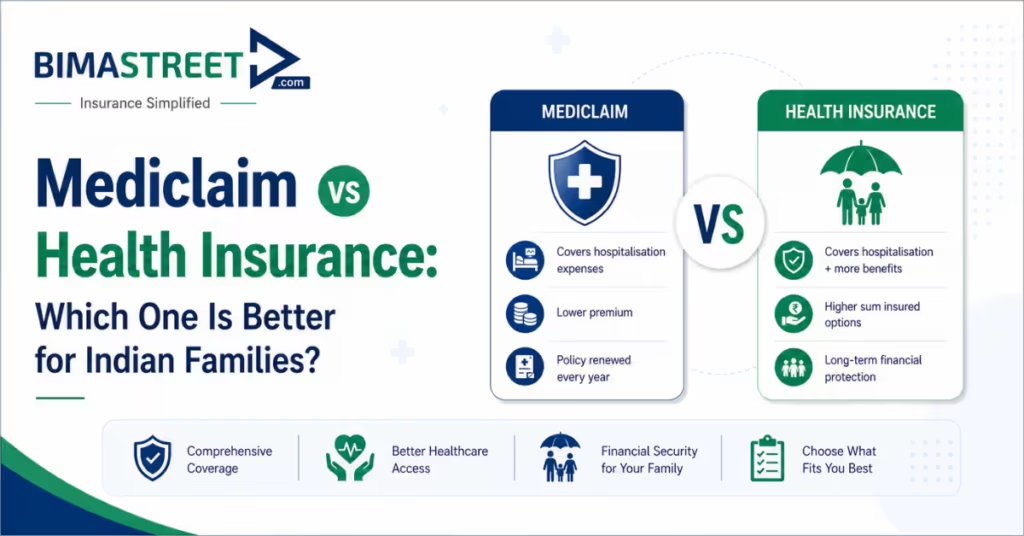
Medical emergencies can strike at any time and the treatment cost in India increases year on year Healthcare expenses can start breaking the bank with hospitalization and surgeries as well as treatments for critical illnesses. Which is why the right insurance policy is so important. Mediclaim and Health Insurance are often used interchangeably by many people, but they are different. Though both of them provide monetary cover in the event of medical emergencies, their coverage, benefits and flexibility vary largely In this article, we will discuss the differences between Mediclaim vs Health Insurance plans as well as their pros and cons, so that you can select what suits you and family best What Is Mediclaim? A Basic Hospitalization Cover Mediclaim policy is an essential insurance plan that primarily protects against hospitalization costs due to illness or accident It compensates the eligible medical spending or provides cashless treatment at network hospitals subject to the detailed policy conditions Mediclaim generally covers: Hospitalization expenses Room rent (within policy limits) Doctor consultation charges Surgery expenses Nursing charges Medicines during hospitalization Mediclaim policies are the simplest, cheapest and for a person who wants to get basic medical coverage What Is Health Insurance? Comprehensive Financial Protection Health Insurance is more comprehensive than a Mediclaim policy.  In addition to inpatient hospitalization itself, many medical health insurance plans will be added with a few secondary advantages which control the general costs of healthcare Health Insurance may cover the following depending on the policy Hospitalization expenses Day-care procedures Pre-hospitalization expenses Post-hospitalization expenses Ambulance charges Critical illness benefits Preventive health check-ups Organ donor expenses Maternity benefits (selected plans) AYUSH treatment (where applicable) Health Insurance becomes more holistic with these added coverages Mediclaim vs Health Insurance: Key Differences Understanding the Comparison While both cover you for medical emergencies, there are some major differences between the two Mediclaim Covers mainly hospitalization expenses. Usually offers limited coverage. Lower premium. Simple policy structure. Suitable for basic healthcare needs Health Insurance Offers wider medical coverage. Includes multiple healthcare benefits. Higher sum insured options. Better long-term financial protection. More flexible policy options These differences help you select a policy as per your family healthcare needs. Benefits of Mediclaim Why Some People Choose Mediclaim Mediclaim policies provide several advantages Affordable premiums Easy to understand Covers hospitalization expenses Cashless treatment at network hospitals Financial support during medical emergencies If you are looking for just basic hospitalisation coverage Mediclaim is still a viable option. Benefits of Health Insurance Why Comprehensive Coverage Matters Health Insurance provides more coverage and benefits that can reduce out-of-pocket medical costs significantly Key advantages include: Comprehensive medical coverage Higher sum insured options Coverage before and after hospitalization Day-care procedure benefits Preventive health check-ups Critical Illness cover offered in select plans Many policies have No Claim Bonus A truly cashless hospitalization across wide-spread networks of hospitals Which Policy Is Better for Indian Families? Choosing Based on Your Needs While comparing Mediclaim vs Health Insurance, which is better to choose depends on your family’s healthcare needs along with family planning financially. Choose Mediclaim if: You want affordable hospitalization coverage. Your budget is limited. You need basic financial protection Choose Health Insurance if: You want comprehensive healthcare coverage. You are caring for children or elderly parents. You want higher coverage limits. You are preparing for medical safety over the years Comprehensive Health Insurance is, in most cases, a better value for your typical Indian family because it covers more medical conditions and offers more benefits.   Factors to Consider Before Buying a Policy Compare Before You Decide Before purchasing any policy, compare Sum insured Premium amount Waiting period Network hospitals Claim settlement process Co-payment clauses Room rent limits Exclusions Renewal benefits No Claim Bonus Analyzing these factors helps you select the policy that best fits your family healthcare requirements Common Mistakes to Avoid Don’t Make These Insurance Buying Mistakes Avoid these common errors: Buying only based on low premium. Ignoring waiting periods. Not reading exclusions. Choosing insufficient coverage. Delaying health insurance purchase. Not disclosing pre-existing illnesses. Forgetting annual renewals By spending a little time analyzing the policy, you can avoid thousands of dollars in future expenses Frequently Asked Questions Is Mediclaim the same as Health Insurance? No, mediclaim usually covers hospitalization expenses whereas health insurance often also provides larger medical coverage with additional benefits Which policy is more affordable? Mediclaim policies are likely to be cheaper because they give limited scope of coverage as compared with comprehensive Health Insurance Which is better for a family? Comprehensive Health Insurance is a better option for most families as it covers all your significant medical expenditures and provides you with higher financial protection. Conclusion Mediclaim vs Health Insurance Choosing the right plan Both Mediclaim and health insurance serve an important purpose but choosing one over another depends on your healthcare needs, budgets and long-term financial goals Mediclaim covers just the basics of hospitalization at a low premium, while Health Insurance provides more extensive coverage for a much larger spectrum of medical expenses For Indian families seemingly desiring holistic financial protection against increasing healthcare expenses, a full-fledged Health Insurance policy tends to be usually the additional favorable This comparison helps in taking the right decision as you choose only a plan that gives complete value for the insurance covering your loved ones taking into consideration all policy features, benefits, exclusions and claim settlement records At BimaStreet, we believe every family deserves coverage that matches their unique needs. Understanding how much health insurance coverage you really need is the first step towards making a confident and informed insurance decision

Contact Details

Support mail:

care@bimastreet.com

Claim mail:

claim@bimastreet.com

For Other Query:

info@bimastreet.com

Phone Number:

(+91)9391009482/84/89

BIMASTREET is the online insurance platform of Amaze insurance brokers pvt ltd

Corporate Office :- #403, THE LEGEND, Metro Pillar C1338, Motilal Nehru Nagar, Begumpet, Hyderabad – 500016

Regd Office: – Ground Floor, Villa No.10, Richmond Villas, Near Glendale International School, Hydershakote, Hyderabad-500086.

Website Approved By IRDAI(Govt. of india)
ISNP Ref: IRDAI/INT/ISNP/2021/79
IRDA License Number: 549
Licensed on: 24/02/2025
Valid Upto: 23/02/2028

Disclaimer: Disclaimer: Insurance is the subject matter of solicitation. Visitors are hereby informed that their information submitted on the website may be shared with insurers. The product information for comparison displayed on this website is of the insurers with whom our company has an agreement. Product information is authentic and solely based on the information received from the Insurer. The information provided on this website/page is for information purpose only. Bimastreet.com does not in any form or manner endorse the information so provided on the website and strives to provide factual and unbiased information to customers to assist in making informed insurance choices.

Scroll to Top