The Complete Health Insurance Buying Checklist for First Time Buyers
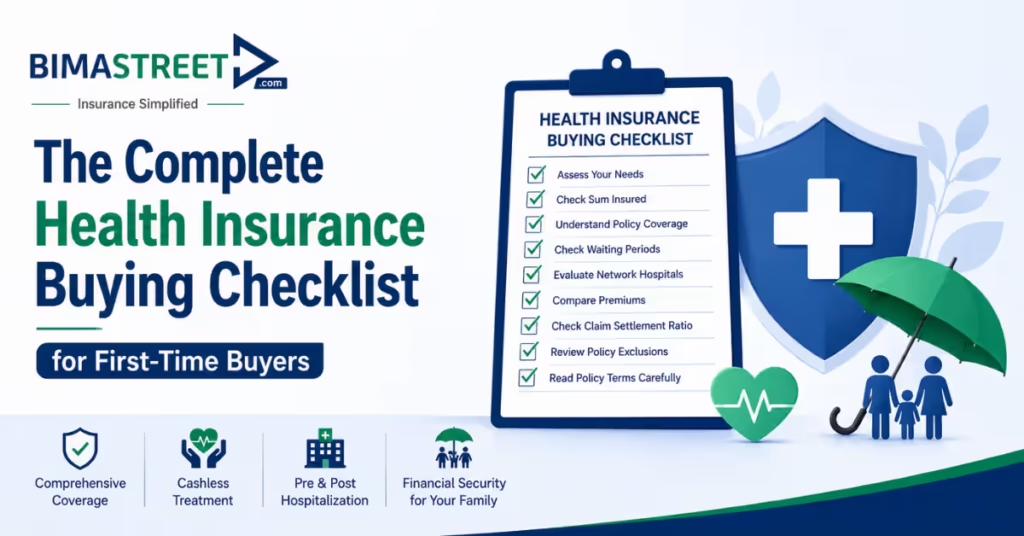
Health insurance for beginners Age of purchasing health insurance Fueled by so many insurers, the types of policies, coverage options, and technical terms involved in insurance policy making, it would not be difficult to decide only based on price here. The reality is that if the health insurance policy you choose is wrong, it could leave you underinsured when you really need financial protection Hence, all first-time buyers must stick to an appropriate Insurance Buying Checklist before they buy a policy. A checklist assists you in comparing policies, understanding key features of different plans identifying common mistakes consumers make, and selecting coverage while taking your healthcare needs and financial situation into account This guide will let you walk through the complete Insurance Buying Checklist, to help you choose the right health insurance policy for yourself and your family Why Do You Need an Insurance Buying Checklist? Make an Informed Decision Health insurance is a financial commitment spanning many years. Compare Important Features If you go for a policy without comparing the important feature then, in times of medical emergencies, you may have to pay out-of-pocket A proper Insurance Buying Checklist helps you Compare different health insurance plans Compare different health insurance plans. Understand policy benefits. Avoid hidden charges. Select adequate coverage. Improve claim experience. Protect your family’s financial future. Being informed today can save you significant expenses tomorrow. Checklist #1 Assess Your Healthcare Needs Start with Your Family’s Requirements Before comparing policies, evaluate Your age. Family size. Existing medical conditions. Lifestyle. Annual healthcare expenses. Future medical needs Selecting a policy tailored according to the healthcare needs of the insured improves their immunity. Checklist #2 Choose the Right Sum Insured Don’t Settle for Low Coverage Every year medical expenses are going up and you need to be sure that sufficient coverage is there Consider Hospitalisation cost in your city Family medical history. Inflation in healthcare expenses. Existing financial responsibilities Higher sum assured helps cover unforeseen healthcare expenses Checklist #3 Compare Waiting Periods Know When Coverage Begins Various insurers typically have various waiting periods for. Pre-existing diseases. Specific illnesses. Maternity benefits. Certain surgeries. Having a shorter waiting period, if you or a family member has any existing health conditions, can also be useful Checklist #4 Check Network Hospitals Cashless Treatment Matters A house of multiple hospitals provides more convenience for emergency situations Look for insurers that provide Cashless hospitalization. Reputed hospitals near your home. Easy claim processing. 24×7 customer assistance Always check to see if your hospitals of choice are in the insurer’s network Checklist #5 Understand What’s Covered Read the Coverage Carefully Well, a complete health insurance policy must entail the following: Hospitalization expenses. Pre and post-hospitalization costs. Day-care procedures. Ambulance charges. ICU expenses. Diagnostic tests. Cashless treatment. Annual health check-ups Do not look at the premium alone evaluate policy features thoroughly Checklist #6 Review Policy Exclusions Know What Isn’t Covered There are exclusions under every health insurance policy. Common exclusions may include: Cosmetic treatments. Self-inflicted injuries. Experimental procedures. Non-medical expenses. Treatments during waiting periods Some exclusions in your insurance policy are common sense, but seeing them in print can prevent surprises when you actually need to file a claim Checklist #7 Check the Claim Settlement Ratio Choose a Reliable Insurer The claim settlement ratio simply measures the percentage of claims that is settled by an insurer in a financial year. While not the only determinant, looking up claim settlement records gives a sense of how dependable the insurer is Also evaluate: Customer reviews. Claim process. Turnaround time. Customer support quality Checklist #8 Compare Premiums Wisely Don’t Buy Based Only on Price Cheapest is not always the best policy. Instead, compare Coverage benefits. Sum insured. Waiting periods. Hospital network. Co-payment clauses. Room rent limits Paying a little extra premium could offer so much more financial security Checklist #9 Disclose Your Medical History Honestly Transparency Prevents Claim Rejection Always disclose Existing illnesses. Previous surgeries. Ongoing treatments. Current medications. Family medical history (where required). It reduces the risk of claim rejection in the future, with honest disclosure Checklist #10 Read the Policy Documents Carefully Don’t Skip the Fine Print Carefully review before you buy your policy Policy terms. Waiting periods. Exclusions. Claim procedure. Renewal conditions. Cancellation policy Full policy knowledge can help you make informed decisions during medical emergencies. Common Mistakes First-Time Buyers Should Avoid Learn Before You Buy Avoid these common mistakes Buying insurance too late. Choosing insufficient coverage. Ignoring waiting periods. Selecting the cheapest policy without comparison. Not checking network hospitals. Hiding pre-existing diseases. Forgetting policy renewals These errors can deflate the power of your policy, just when you want it most Frequently Asked Questions What is the most important item in an Insurance Buying Checklist? The sum insured, the coverage under the policy chosen, waiting periods and selection of an insurer are some of the most crucial factors Should first-time buyers purchase family floater or individual health insurance? It depends on how big your family is, how young or old you are and what kind of health care you will need. Family floater plans are often beneficial for young families as opposed to senior citizens who will require individual policies Is buying health insurance at a younger age beneficial? Yes. It is well known that buying early remains to be a much cheaper option in terms of the premiums paid, an easier approval of policy and more often than not, having waiting periods completed before there are big health concerns Conclusion Buying health insurance for the first time is an important financial decision that should be planned ahead of time. Insurance Buying Checklist helps you compare policies correctly, know the key features of each plan, and identify costly mistakes while purchasing a policy Choose a policy not solely on the basis of premium, rather assess things like sum insured, waiting periods, hospital network, exclusions, claim settlement history and coverage as a whole Make a wise choice now and ensure your family is either preserved from unwanted health woes whilst