
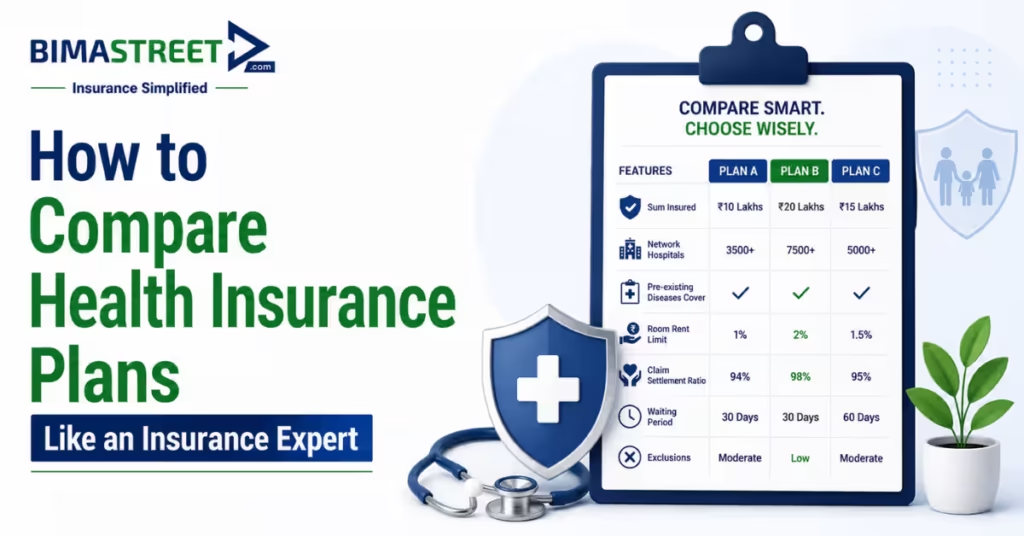
How to Compare Health Insurance Plans Like an Insurance Expert
If you’ve ever shopped for health insurance online, you’ve likely seen for yourself how on the surface many plans look the same. They all offer coverage, cashless treatment and financial safeguarding. However when the time for the final decision arrives they are still confused The reason is simple. Most people simply compare policies on the basis of how much premium and sum is assured. Insurance experts don’t Why Experienced Advisors Look Beyond the Marketing Hype They assess a policy’s performance in crisis, its ability to support families through claims, and whether prevents you out of wanting basic healthcare later down the line If you’re trying to compare health insurance plans, here’s how insurance experts approach the process Why Comparing Health Insurance Plans Is More Than Comparing Prices Most buyers think that comparing health insurance Plans the same way as mobile plans or online subscriptions. Prepare your price shoppers can do better than premiums. That is not how health insurance works. Something that might appear cheap now would suddenly leave you with a hefty bill in case of a serious admission. In a like manner, for comparatively larger premium, you may get much better protection, relief and flexibility at the very instance when you truly will go in need of medical aid Insurance advisers know an insurance comparison is not just the cheapest policy. It is about what policy fit best Start With Your Family’s Risk Profile Unlike how insurance advisors compare a policy based on the coverage, they first concentrate on the people who will be covered. Understand Your Family’s Healthcare Needs A young professional, a family with kids and a household of elderly people will all have different health needs Before comparing plans, ask: How many family members need coverage? Are there senior citizens in the family? Does anyone have existing medical conditions? Are maternity benefits important? Do you frequently use private hospitals? These answers guide the policy evaluation process making them serious options and others should be discarded right away Compare Policies Based on Suitability A lot of people compare policies over and above. Experts benchmark policies against family’s needs The best plan for one person could be the worst for another, and they definitely won’t have the same situation as you Compare the Worst-Case Scenario, Not the Premium The major difference between buyers and insurance advisors is in the way they evaluate risk. Ask the Right Question Most buyers ask: Which policy costs less Insurance experts ask Which, if a ₹10 lakh hospitalization takes place the next day, will ensure this family gets better coverage?” This question alone alters the entire comparison process Look for Hidden Limitations Here are key factors to watch when comparing policies Room rent restrictions Co-payment requirements Disease-specific limits Waiting periods Coverage caps These particulars usually influence more than the premium itself. This means that a policy looks cheaper but at the time of claim may end up costing more. Look Beyond the Benefits Page Insurance companies love to show on their websites, but seasoned advisors will delve a step further.. Review What Is Not Covered Every policy contains exclusions. These exclusions could be ones that pertain to treatments, conditions or situations that you care about as a family. Before choosing a policy, review: Permanent exclusions Waiting period exclusions Non-medical expenses Specific treatment limitations Realising that what does not cover can be as important as what it covers. Check Hospital Access Enhanced access to cashless treatment with a robust hospital network list. When comparing plans, verify Hospitals near your home Multi-speciality facilities Emergency treatment access Cashless claim availability And this is a step which buyers typically forget about. Compare Claim Experience and Support A policy is only worth a dime when you have to draw on it Claims Matter More Than Advertisements Most buyers go through hours comparing premiums but spend negligible seconds in understanding how the claim process works Insurance experts evaluate: Cashless claim support Reimbursement process Customer service responsiveness Documentation requirements Claim assistance availability A seamless claim experience minimizes stress in times of need like when you’re stranded Know Who Will Support You A question most buyers fail to ask is “If I have a claim issue, who helps?” In these hard times, good expert guidance can make all the difference Evaluate Long-Term Value Health insurance is not a one-year purchase. It is a long-term financial protection tool. When comparing plans, think beyond today’s premium. Consider Future healthcare needs Coverage flexibility Lifetime renewability Family growth Medical inflation The best policy is one that continues to support your family as your healthcare needs change over time. Common Comparison Mistakes The following mistakes are made by many buyers Comparing only premium costs Ignoring exclusions Overlooking waiting periods Choosing based on advertisements Not reviewing claim support Focusing only on current needs These kinds of mistakes can help you to make an informed decision Insurance Expert Comparison Checklist Make sure to look at the following before you pick any health insurance policy: Family healthcare needs Coverage suitability Waiting periods Hospital network Policy exclusions Claim process Claim support availability Long-term value Premium affordability Conclusion In addition to that you will not learn how to compare health insurance plans because it’s not about getting the lowest cost plan. It is knowing which policy is the best coverage for your family. Premiums aside, insurance experts look at suitability, claim experience, access to hospitals, value for money and hidden limitations. With the same method, you end up making a more confident and informed decision At BimaStreet, we believe that better comparisons lead to better protection Taking the time to evaluate policies properly today can help you avoid costly surprises and make smarter healthcare decisions in the future