
Buying health insurance may be more challenging when you already have a pre-existing medical condition. But many insurers do provide health insurance for pre existing diseases, subject to certain terms and conditions
It is important to carefully understand how health insurance for pre existing diseases works, as you may not be able to get sufficient coverage to meet all your requirements
Instead of simply comparing the premiums, policy buyers should assess the waiting period, coverage, sum insured, exclusions, network hospitals and other factors to select the right health insurance company to buy a policy from.
The following guide discusses important considerations that come into play when somebody is thinking of buying a health insurance plan for pre-existing disease
What Is a Pre-Existing Disease?
Understanding the Term
A pre-existing disease usually refers to any medical condition that the applicant already suffers from and was present before the issuance of health insurance
Examples may include certain conditions such as:
- Diabetes.
- Hypertension.
- Asthma.
- Thyroid disorders.
- Certain heart conditions
However, policy wordings may vary based on the insurer and the policy issued therefore, each case must be considered based on the policy terms
Can You Get Health Insurance With a Pre-Existing Disease?
Yes, But Conditions May Apply
Having a pre-existing disease does not guarantee that the buyer will not get health insurance
Based on the applicant’s profile, the policy buyer must carefully evaluate if the conditions stated by the insurer are acceptable to them
A policy with pre-existing disease coverage may sometimes have a waiting period.
Some of the factors to consider when buying health insurance for pre existing diseases include
- A waiting period for the pre-existing condition.
- Medical underwriting.
- Specific exclusions.
- Additional premium in some cases.
- Coverage subject to certain conditions
The underwriting criteria will depend on the individual’s profile and the insurer’s policy
What Is a Waiting Period?
One of the Most Important Factors
A waiting period is the duration for which any illness or treatment that falls under a specific category will not be covered by a health insurance policy.
Health insurance policies may have a waiting period for pre-existing diseases depending on the issuing company’s criteria.
Before buying health insurance for pre existing diseases, the applicant should know:
- Length of the waiting period.
- Conditions covered by the waiting period.
- Treatments included or excluded.
- Whether the waiting period can be reduced under any available option.
- Not all health insurance policies terms and conditions are the same
Therefore, a buyer must assess an insurer’s policy wording concerning the terms of coverage for any pre-existing disease.
What Should You Look for in a Health Insurance Plan?
Compare More than the Premium
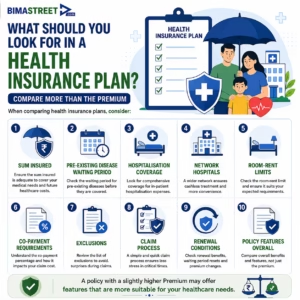
When comparing health insurance plans, consider:
- Sum insured.
- Pre-existing disease waiting period.
- Hospitalisation coverage.
- Network hospitals.
- Room-rent limits.
- Co-payment requirements.
- Exclusions.
- Claim process.
- Renewal conditions
A policy with a slightly higher premium may offer features that are more suitable for your healthcare needs
Why Full Disclosure Is Important
Be Honest About Your Medical History
One of the best ways to ensure a healthy claims process is to give accurate information about one’s personal and family medical history
When purchasing health insurance, an applicant must honestly disclose all the details an insurer asks for during the application process
Not all applications are approved instantly Sometimes, an applicant must provide additional information before approval
Do not hide or incorrectly report:
- Existing diseases.
- Previous treatments.
- Current medication.
- Previous hospitalisation.
- Relevant medical history requested by the insurer
Providing false information about one’s medical history can affect future claims
How to Compare Health Insurance Plans
Make an Informed Choice
To help identify the better plan, an applicant should compare the policies based on
- Coverage amount
- Waiting period.
- Premium.
- Exclusions.
- Hospital network.
- Co-payment.
- Claim service.
- Policy terms.
The cheapest insurance coverage option available may not always be the best choice.
Each person’s health insurance needs are unique and must be based on their personal circumstances.
Can Coverage Increase Later?
Review Your Health Insurance Regularly
Your healthcare requirements may change over time.
As your income, family size, and medical needs change, you may need to review your coverage.
Depending on the insurer and policy terms, you may have options such as:
- Increasing the sum insured at renewal.
- Adding suitable coverage.
- Purchasing an additional policy.
- Considering a super top-up policy.
Any increase in coverage remains subject to the insurer’s terms and underwriting requirements
Common Mistakes to Avoid
Don’t Choose a Policy in a Hurry
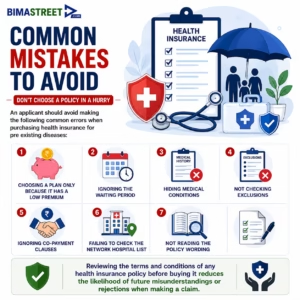
An applicant should avoid making the following common errors when purchasing health insurance for pre existing diseases
- Choosing a plan only because it has a low premium.
- Ignoring the waiting period.
- Hiding medical conditions.
- Not checking exclusions.
- Ignoring co-payment clauses.
- Failing to check the network hospital list.
- Not reading the policy wording
Reviewing the terms and conditions of any health insurance policy before buying it reduces the likelihood of future misunderstandings or rejections when making a claim.
Frequently Asked Questions
Can diabetes be covered under health insurance?
When purchasing health insurance, an applicant with diabetes should find out if this illness will be covered under the waiting period
Can I buy health insurance if I have hypertension?
A person with hypertension can buy health insurance according to the insurer’s policy conditions
Is a pre-existing disease covered immediately?
In most cases, there may be a waiting period before the coverage of a pre-existing disease thus, a buyer should check the terms and conditions of any policy.
Should I disclose my existing medical conditions?
When purchasing health insurance, an applicant should give accurate information about their personal and family medical history
Conclusion
The selection of a health insurance plan takes more than simply comparing the premiums.
The waiting period, coverage, exclusions, co-payment, and network hospitals and renewal terms and conditions are equally crucial before purchasing a health insurance policy
To avoid future claim rejections and misunderstandings, a buyer must provide truthful information about their personal and family medical history when filling out the application and ask all the necessary questions before signing the policy document
A health insurance buyer should carefully compare different health insurance options to ensure that they choose the best plan for their needs
At BimaStreet, we believe that the right guidance is just as important as the right policy. When you understand what insurance advisors look for before recommending a plan, you’re in a much better position to choose health insurance that protects your family today and in the years ahead