

Purchasing health insurance is a critical financial move, but one question tends to consumers..
How much health insurance coverage do I actually need
You either get a lesser coverage to trek down the premiums or go with a higher coverage option even when it may not be in line with your needs.
Either of those choices can put unwelcome pressure on your finances
Not just your income, the right health insurance coverage will be based on the health needs of your family members, their medical history, lifestyle and future financial needs
If you’re planning to buy health insurance, here’s a practical way to estimate the coverage that may be suitable for your situation
Why Choosing the Right Coverage Matters
The main purpose of health insurance is to de-stress the economic toll of a medical emergency.
But if you are not adequately covered, then i.e. the coverage amount is low you might have to shell out a large chunk of the hospital bill from your own savings.
Alternatively, purchasing well over coverage amounts you require without knowing what your needs are can drive up premium costs unnecessarily
This balance is what you need to find.
Is Income the Only Factor?
It is a common misconception that the only factor influencing how much health insurance you need to buy is how much one earns.
In reality, it is not an easy question and experienced insurance advisors consider many factors before suggesting a coverage amount
Income Is Only One Part of the Picture
Your monthly income certainly affects your ability to pay premiums
However, advisors also look at:
- Family size
- City of residence
- Existing medical conditions
- Lifestyle
- Healthcare preferences
- Future financial goals
A person earning ₹15 lakh per year with ageing parents may need more coverage, compared to a person earning ₹20 lakh but who is living alone
Estimate Coverage Based on Your Income
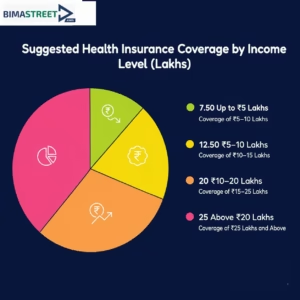
While every family is different, this table can serve as a starting point
Suggested Health Insurance Coverage
| Annual Income | Suggested Coverage |
|---|---|
| Up to ₹5 Lakhs | ₹5–10 Lakhs |
| ₹5–10 Lakhs | ₹10–15 Lakhs |
| ₹10–20 Lakhs | ₹15–25 Lakhs |
| Above ₹20 Lakhs | ₹25 Lakhs and Above |
This should not be considered a Fixed rule.
Your real coverage depends on income and health care. Utilize the extension as much of the time
Other Factors That Affect Coverage Needs
Income is critical, but it is only part of the equation
Family Responsibilities
For example, if you have a spouse and children or parents only financially dependent on you then higher coverage can be much better for protection
Healthcare Costs in Your City
City-wise difference in cost of medical treatment.
Families residing in metro cities typically have a greater financial burden for hospitalization, compared to those living in smaller towns.
Existing Medical Conditions
If any close relatives in the family previously have diabetes, hypertension, Heart disease etc.
then we may think about safe and wider coverage
Future Healthcare Plans
Think beyond today’s situation.
The possibility of children, ageing parents, or other long-term health care expenses can also affect the insurance you buy
When Should You Increase Your Coverage?
Health insurance should not remain the same throughout your life.
You may want to review your policy after major life events such as:
- Marriage
- Birth of a child
- Increase in income
- Purchasing a home
- Parents becoming financially dependent
- Rising healthcare costs
This is why reviewing your policy every few years ensures that the coverage you have continues to meet your families needs
Common Mistakes While Choosing Coverage
While selecting their required coverage amount many buyers make blunders.
Some common ones include:
- Choosing the lowest coverage to reduce premium
- Depending only on employer health insurance
- Ignoring future medical inflation
- Buying the same coverage as friends or relatives
- Not reviewing the policy after major life changes
Remember, health insurance should be based on your personal situation-not someone else’s

Quick Coverage Planning Checklist
- Before deciding your health insurance coverage, ask yourself:
- How many people need coverage?
- What is my annual income?
- Do I have financial dependents?
- Are there senior citizens in the family?
- Do we have any existing medical conditions?
- Can I comfortably afford the premium?
- Will this coverage still be enough five years from now?
Conclusion
Selecting the right protection for your well-being care is about greater than simply your income every month. This means juggling your family’s health care needs, financial obligations and future medical costs.
Instead of choosing insurance based only on premium prices or general suggestions, take time to think through your specific scenario.
An appropriately designed health insurance plan can safeguard your family health and you financially in the years to come.
At BimaStreet, we believe every family deserves coverage that matches their unique needs. Understanding how much health insurance coverage you really need is the first step towards making a confident and informed insurance decision